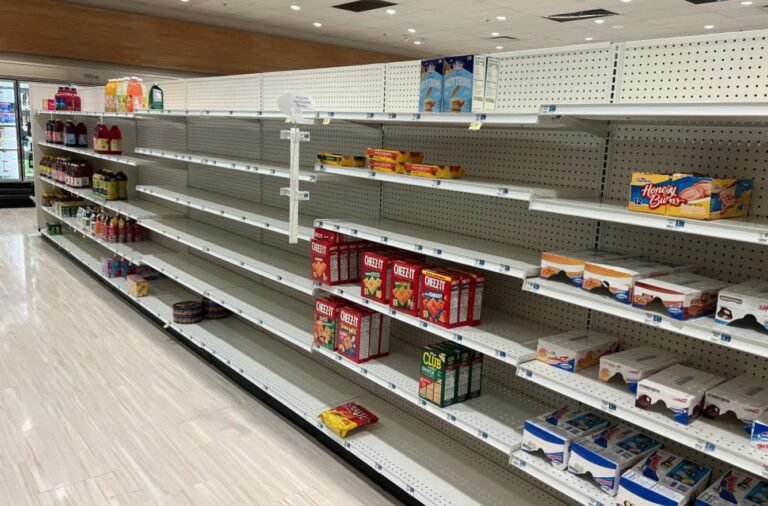
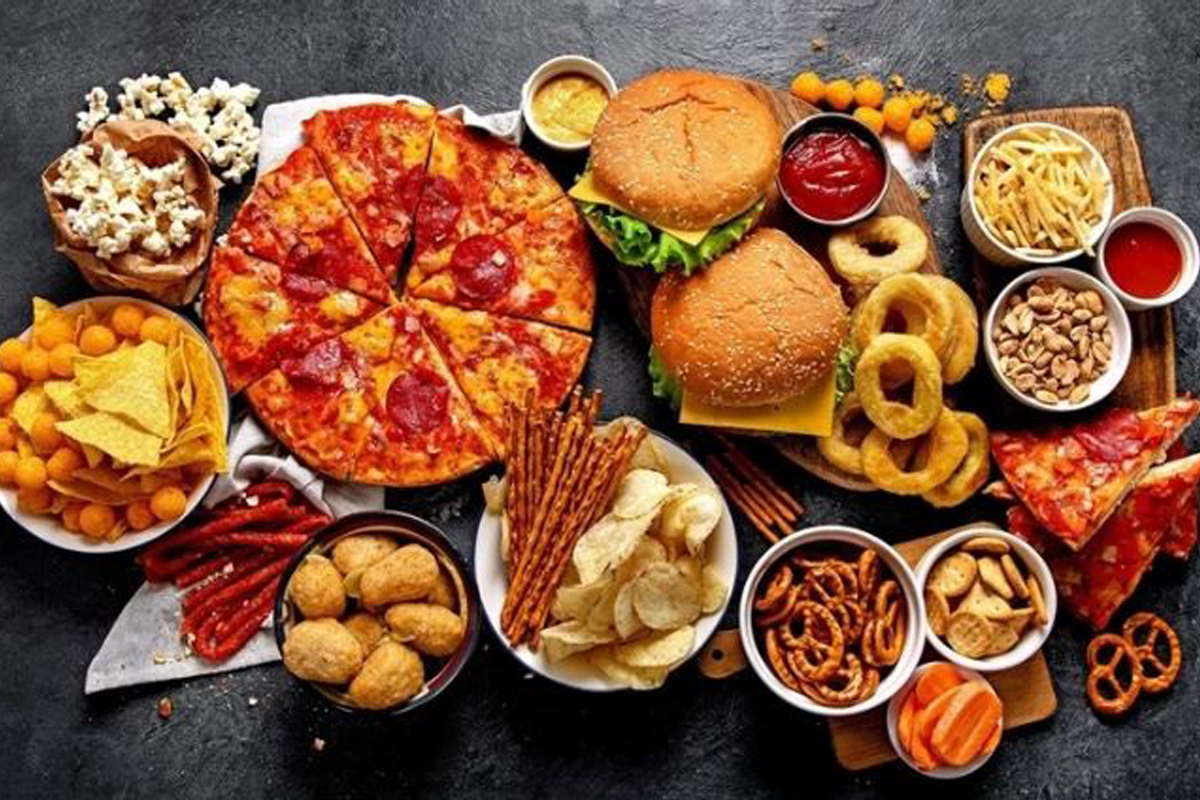
Ultra-Processed Foods (UPF) are currently at the center of a national health debate in the UK, as new research suggests these industrially manufactured products make up over half of the calories consumed by the average British household. While the term has become a buzzword in nutrition circles, the reality for the average shopper is far more complex. These aren’t just “junk foods” like crisps and fizzy drinks; they are often the very staples we consider “healthy” or “essential” for a busy working week. From the sliced loaf of bread on your counter to the “low-fat” yogurt in your fridge, the reach of industrial processing is vast and often invisible.
Understanding the impact of these foods requires a shift in how we look at nutrition. For decades, we were told to count calories, fats, and sugars. In 2026, the focus has shifted toward how food is made. The more a food has been altered from its original state, and the more cosmetic additives it contains, the more likely it is to be classified as ultra-processed. As the UK faces a growing crisis of metabolic health, identifying which kitchen staples are the most pervasive sources of UPF is the first step toward reclaiming a healthier diet.
Defining the Scope of Ultra-Processed Foods via the NOVA Scale
To identify Ultra-Processed Foods, one must first understand the “NOVA” classification system, which is the gold standard used by scientists worldwide. This system categorizes food into four distinct groups based on the extent of industrial processing they undergo.
- Group 1: Unprocessed or Minimally Processed Foods. These are the parts of plants or animals that have been slightly altered—think of an apple, a bag of raw spinach, or a piece of fresh chicken.
- Group 2: Processed Culinary Ingredients. These are substances obtained directly from Group 1 foods, such as olive oil, butter, or honey, used to cook and season.
- Group 3: Processed Foods. These are relatively simple products made by adding Group 2 ingredients to Group 1 foods—such as freshly baked bread from a local bakery, tinned vegetables in salt water, or cured meats.
- Group 4: Ultra-Processed Foods. These are industrial formulations typically containing five or more ingredients. They often include substances not found in a home kitchen, such as high-fructose corn syrup, hydrogenated oils, emulsifiers, and flavor enhancers.
In the UK, the vast majority of supermarket items fall into Group 4. These products are designed to be “hyper-palatable” (extremely easy to overeat), shelf-stable, and highly profitable for manufacturers.
The Hidden Presence of Ultra-Processed Foods in British Breakfast Staples
For many in Britain, breakfast is the most “industrialized” meal of the day, packed with Ultra-Processed Foods that are marketed as heart-healthy or energy-boosting. The most common offender is the humble box of breakfast cereal. While some varieties are obviously sugary, even the “whole grain” or “multigrain” options often contain maltodextrin, soy lecithin, and various “natural” flavorings that categorize them as UPF.
Another major staple is the mass-produced sliced loaf. Unlike traditional bread, which requires only flour, water, salt, and yeast, a standard supermarket loaf in 2026 contains a cocktail of preservatives and emulsifiers like DATEM (E472e) to ensure it stays soft for a week. Even “plant-based” milk alternatives, which have surged in popularity, are frequently ultra-processed, containing thickeners like carrageenan or xanthan gum to mimic the creamy texture of dairy. For a British household, the “toast and cereal” routine is often a double-dose of UPF before 9:00 AM.
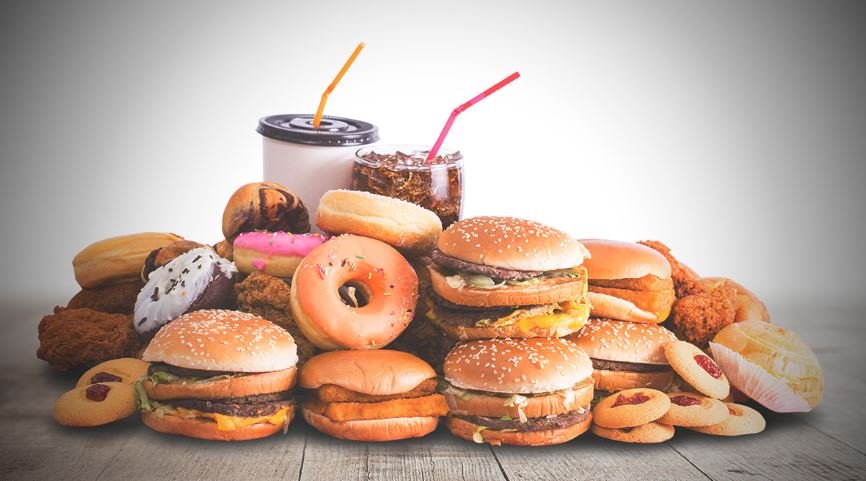
Why Ultra-Processed Foods Are Dominating the UK Lunch Hour
The “Meal Deal” culture is a uniquely British phenomenon that has accelerated the consumption of Ultra-Processed Foods. The standard sandwich, drink, and snack combo is almost entirely composed of Group 4 items. The bread in the sandwich is industrial; the fillings, such as “chicken breast,” are often reformed meat containing water-binding agents and stabilizers; and the mayonnaise is a complex emulsion of oils and preservatives.
Beyond the sandwich, flavored yogurts and “protein pots” are frequently marketed as healthy lunch additions. However, a close look at the label often reveals a long list of artificial sweeteners, thickeners, and modified starches. In 2026, even the “healthy” salads found in plastic bowls often come with dressings that are purely industrial formulations. This reliance on convenience means that the average UK worker is often consuming hundreds of grams of ultra-processed ingredients every lunch break without realizing they have strayed from whole foods.
Dinner Time: Identifying Ultra-Processed Foods in Ready Meals and Sauces
As the working day ends, the convenience of “heat-and-eat” options leads many back into the arms of Ultra-Processed Foods. The UK consumes more ready meals than any other country in Europe. Whether it’s a chilled lasagne or a “healthy” steam-pot, these products rely on industrial processing to maintain texture and flavor after being reheated.
Even when cooking from scratch, many British “kitchen staples” are Trojan horses for UPF. Jars of pasta sauce, gravy granules, and stock cubes are often heavily processed. For instance, a standard jar of “sweet and sour” or “curry” sauce might contain modified maize starch, acidity regulators, and coloring agents designed to give it an appealing glow. For those moving toward a plant-based diet, meat alternatives—such as vegan sausages or “facon”—are among the most highly processed items on the market, often requiring dozens of chemical steps to turn soy or pea protein into something resembling meat.
The Health Implications of a Diet High in Ultra-Processed Foods
The concern surrounding Ultra-Processed Foods is not just about “empty calories.” Mounting evidence in 2026 suggests that the structure of these foods—the “food matrix”—has been destroyed, which changes how our bodies process them. Because UPFs are often pre-chewed (metaphorically speaking) through industrial mashing and extrusion, they are absorbed very quickly in the upper gut. This leads to rapid spikes in blood sugar and interferes with the hormones that tell our brains we are full.
Studies have linked high consumption of UPF to an increased risk of obesity, Type 2 diabetes, and cardiovascular disease. Furthermore, emerging research into the gut microbiome suggests that the emulsifiers and artificial sweeteners found in Ultra-Processed Foods may “thin” the protective mucus lining of the gut, potentially leading to low-grade inflammation. For the British public, whose diet is among the most processed in the world, these health risks are a primary driver behind the rising rates of chronic illness seen in the NHS.
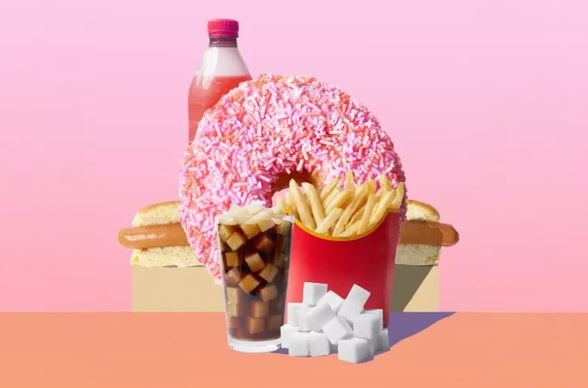
Decoding Labels: How to Spot Ultra-Processed Foods in the Supermarket Aisle
Navigating the supermarket to avoid Ultra-Processed Foods requires a skeptical eye toward marketing. A product that screams “High Protein,” “Low Fat,” or “Natural” on the front is often using those claims to distract from a long list of industrial ingredients on the back. A simple rule of thumb in 2026 is the “Kitchen Cupboard Test”: if the ingredient list contains items you wouldn’t find in a standard home kitchen (like potassium sorbate, polydextrose, or carbonated water), it’s likely a UPF.
Watch out for the length of the ingredient list. While a long list doesn’t always mean it’s ultra-processed, Group 4 foods typically have 10-20+ ingredients. Pay special attention to “emulsifiers” (which keep oil and water from separating) and “humectants” (which keep food moist). These are the hallmarks of industrial engineering. In the UK, the “Traffic Light” system on packaging helps with sugar and salt, but it tells you nothing about the degree of processing, making label-reading an essential skill for the health-conscious shopper.
Practical Steps to Reduce Ultra-Processed Foods in Your Daily Diet
Eliminating all Ultra-Processed Foods is nearly impossible in a modern food environment, but reducing them is highly achievable through “The Power of Swaps.” The goal is to move down the NOVA scale—from Group 4 to Group 3 or Group 1.
- Bread: Swap the plastic-wrapped supermarket loaf for sourdough or bread from a local bakery that only uses flour, water, and salt.
- Breakfast: Replace flavored cereals with jumbo oats (porridge) topped with fresh fruit and nuts.
- Snacks: Instead of “cereal bars” or crisps, opt for raw nuts, seeds, or Greek yogurt (ensure the only ingredients are milk and live cultures).
- Cooking: Instead of jars of sauce, use tinned tomatoes (Group 3), garlic, and dried herbs.
By focusing on “single-ingredient” foods, you naturally crowd out Ultra-Processed Foods. Even small changes, like making your own salad dressing with olive oil and vinegar instead of buying a bottled version, can significantly reduce your daily intake of industrial additives.
The Role of Policy and the Future of Ultra-Processed Foods in Britain
The debate over Ultra-Processed Foods in the UK is increasingly moving into the halls of Parliament. In 2026, there are growing calls for a “UPF Tax” similar to the Sugary Drinks Industry Levy. Public health advocates argue that as long as ultra-processed calories are the cheapest and most accessible options, the health gap between the wealthy and the poor will continue to widen.
There is also a push for clearer labeling. Some countries have already begun implementing “High in Processing” warning labels on the front of packs. In Britain, the future may involve stricter regulations on how these foods are marketed to children. As the evidence mounts, the “British Kitchen Staple” is likely to undergo a forced evolution, with manufacturers pressured to “clean up” their labels and return to simpler, more recognizable ingredients. Until then, the responsibility remains with the consumer to stay informed and vigilant.
Conclusion: Reclaiming the British Kitchen
In conclusion, Ultra-Processed Foods are an inescapable part of the modern British landscape, but they do not have to define your health. By recognizing that convenience often comes at the cost of nutritional integrity, we can begin to make more intentional choices. The “most dangerous” staples are the ones we consume daily without thought—the bread, the cereals, and the ready-made sauces that form the background noise of our diets.
Reclaiming your kitchen doesn’t mean spending five hours a day cooking; it means choosing “real” ingredients over industrial formulations. As we have seen, the path to better health in 2026 is less about restrictive dieting and more about returning to the simplicity of whole foods. By reducing our reliance on Ultra-Processed Foods, we can protect our long-term health and ensure that the British kitchen remains a place of true nourishment.
About the Author