
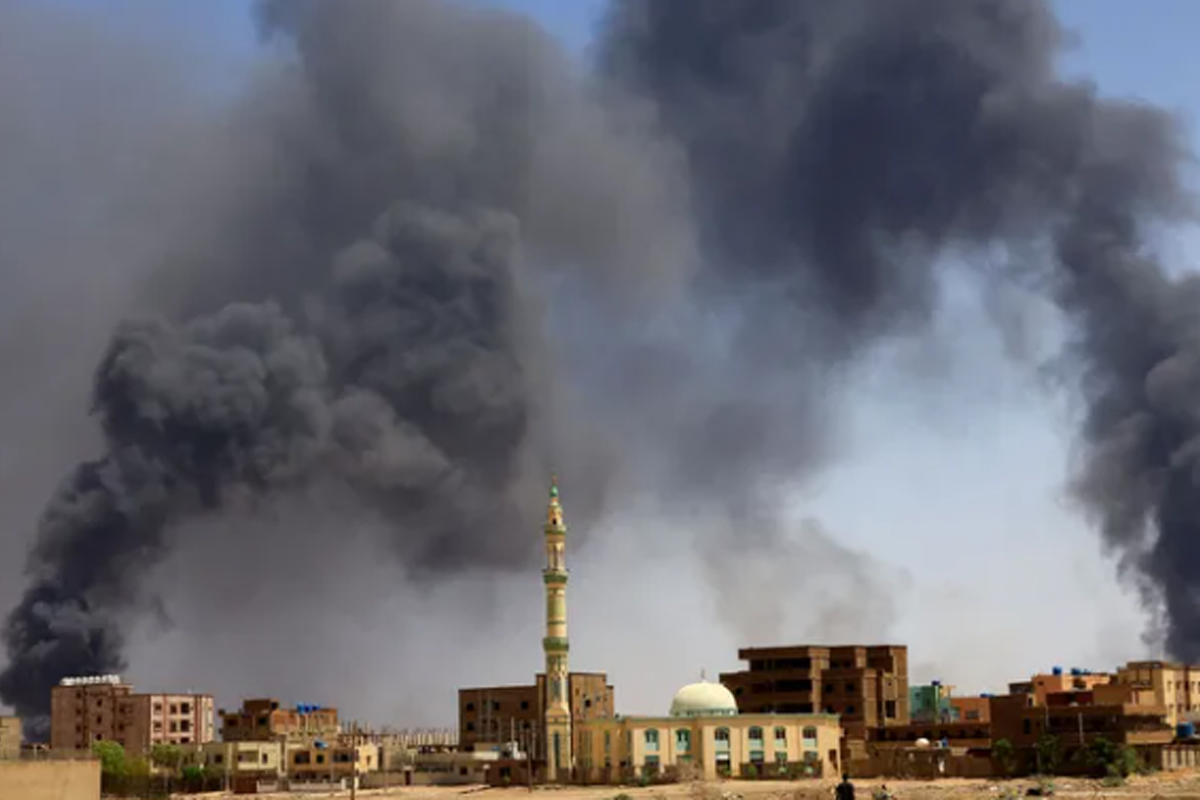
In a candid and high-stakes interview from Mar-a-Lago regarding Iran, President Trump has broken his silence regarding the endgame of ‘Operation Epic Fury. Speaking just hours after the United States and Israel launched a massive aerial bombardment, Trump revealed that he is already visualizing several “off-ramps” to conclude the military campaign in Iran.
While the world watches the smoke rise over major Iranian cities, Trump’s comments suggest a leader who is balancing the desire for a decisive victory with the political necessity of avoiding another “forever war” in the Middle East.
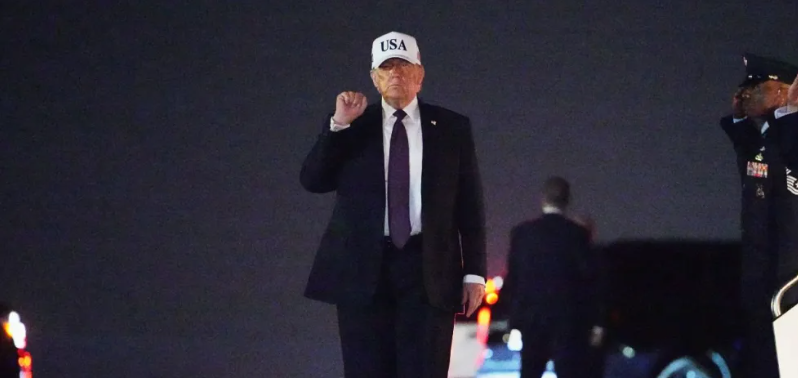
Trump’s Two Paths for the Future of Iran
During a five-minute phone call, the President outlined two starkly different scenarios for how the current conflict in Iran might play out. He signaled that the duration of the campaign remains flexible, dictated by Tehran’s response and the degree of military degradation achieved on the ground.
“I can go long and take over the whole thing,” Trump stated, hinting at a full-scale regime change, “or end it in two or three days and tell the Iranians: ‘See you again in a few years if you start rebuilding.'” This “hit-and-run” philosophy contrasts with the long-term occupation strategies of previous administrations, focusing instead on set-back cycles for Irn’s nuclear and missile capabilities. Regardless of the duration, Trump expressed confidence in the lasting damage being inflicted, predicting that it would take several years for the leadership in Iran to recover from the current onslaught.
The Collapse of Diplomacy: Why the U.S. Attacked Iran
For many observers, the sudden shift from mediated talks to “Operation Epic Fury” was jarring. However, Trump clarified that the decision to strike Irn was born out of frustration with failed negotiations. He specifically pointed to the efforts of his envoys, Steve Witkoff and Jared Kushner, who had been engaged in last-ditch efforts in Geneva.
According to Trump, the leadership in Irn engaged in a pattern of “close and then pull back,” a psychological game that convinced the White House that a diplomatic breakthrough was impossible. “I understood from that that they don’t really want a deal,” Trump remarked. This lack of perceived sincerity, combined with a 25-year dossier of Iranian-linked attacks worldwide, served as the primary catalyst for the Friday night orders to launch the strikes.
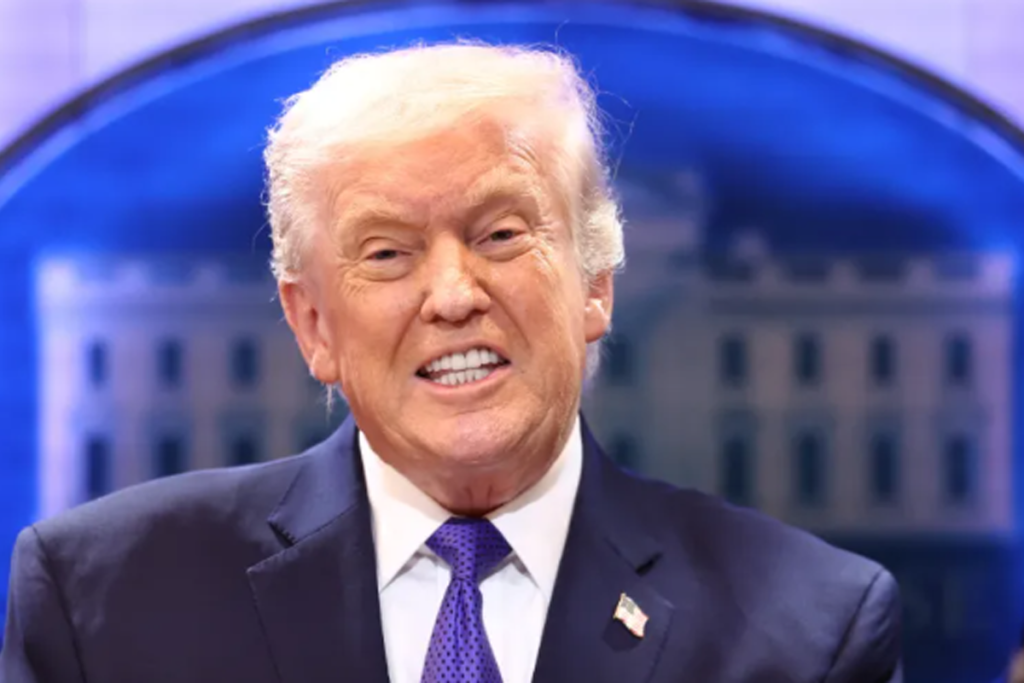
Assessing the Nuclear Threat and “Operation Midnight Hammer” in Iran
A key component of the current military logic involves the lingering effects of previous engagements. Trump reiterated that the current operation was only possible because of “Operation Midnight Hammer,” a strike last June that targeted three of Irn‘s most critical nuclear facilities.
Despite reports from independent analysts suggesting that building activity at these sites was purely structural, Trump claimed that Irn had begun rebuilding its nuclear infrastructure. He argued that if he hadn’t acted in June, the current campaign would be far more dangerous. “If I hadn’t struck those facilities, Iran might have already developed a nuclear weapon by now,” he said, suggesting that a nuclear-armed Tehran would have made the current military intervention an impossibility.
The Alliance: Israel’s Role in Reshaping Iran
This operation is not a unilateral American effort; it is a deeply integrated partnership with Israel. For Prime Minister Benjamin Netanyahu, the strikes on Iran represent the culmination of a career-long objective to neutralize what he views as an existential threat. The joint U.S.-Israeli operational plan is reportedly designed to last at least five days, but that timeline is subject to the “fog of war.”
Perhaps the most significant development in the campaign against Iran is the status of Supreme Leader Ali Khamenei. Netanyahu recently informed the public that signs are growing that Khamenei may have been killed in a precision strike on his compound. Trump confirmed he is on the “same wavelength” as Netanyahu, emphasizing a unified front that seeks not just to degrade weapons, but to fundamentally alter the power structure within Iran.
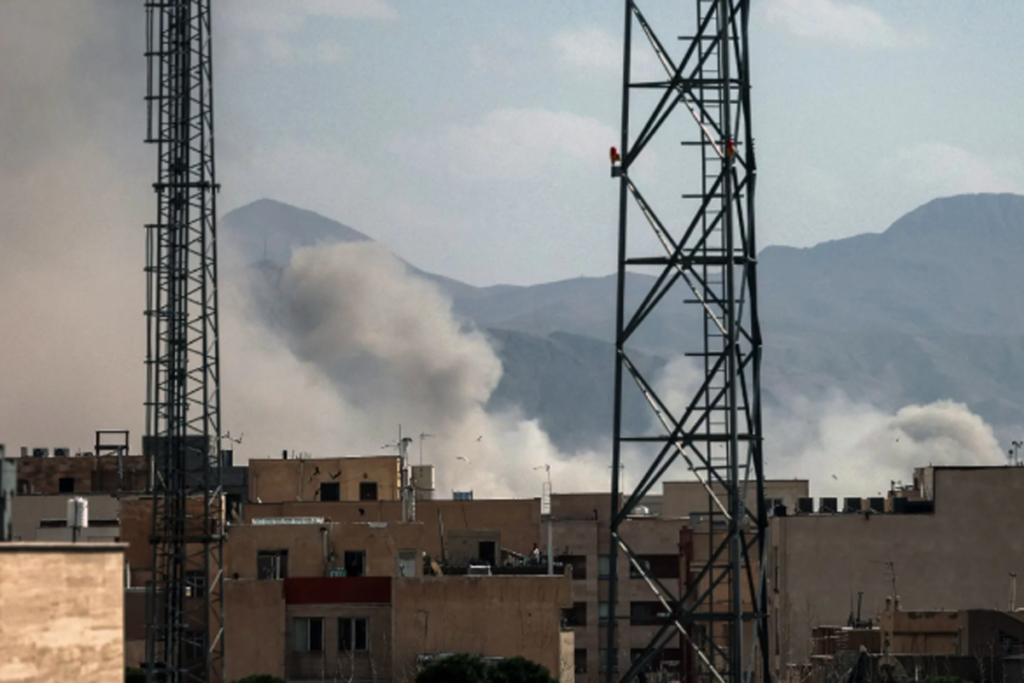
Global Reactions and the Domestic “MAGA” Pressure Over Iran
While the military hardware is focused on Iran, the diplomatic phones are ringing across the globe. White House Press Secretary Karoline Leavitt confirmed that Trump has been in contact with leaders in Saudi Arabia, Qatar, and the UAE, as well as NATO Secretary General Mark Rutte.
Domestically, Trump is walking a tightrope. His “MAGA” base is notoriously skeptical of Middle Eastern interventions. By framing the attack on Iran as a potentially short-term operation with clear “off-ramps,” Trump is attempting to satisfy the hawks in his cabinet while reassuring his supporters that he is not leading the country into another decades-long quagmire. The coming days will determine if this operation leads to the “new era” Trump promises, or if the situation in Iran spirals into a broader regional conflagration.
About the Author






1 thought on “Trump Floats New Peace “Off Ramps” Following Iran Attacks”