

The Ozempic Era represents a seismic shift in the American landscape, marking a pivotal moment where biotechnology intersects with deep-seated cultural obsessions regarding health, beauty, and self-control. What began as a breakthrough treatment for Type 2 diabetes has morphed into a nationwide phenomenon, transcending the boundaries of medicine to become a defining characteristic of modern social life. This era is not merely about a pharmaceutical product; it is about the fundamental recalibration of how a society views obesity, willpower, and the “ideal” human form. As we navigate through 2027, the ripple effects of GLP-1 receptor agonists like semaglutide and tirzepatide are being felt in every corner of the United States, from Hollywood red carpets to the aisles of local grocery stores.
The Scientific Foundation and Rapid Ascent of the Ozempic Era
The Ozempic Era did not emerge in a vacuum; it is the result of decades of metabolic research reaching a critical mass. At the heart of this movement are GLP-1 (glucagon-like peptide-1) receptor agonists. Originally designed to help the body produce more insulin and lower blood sugar, researchers quickly discovered a powerful “side effect”: significant, sustained weight loss. These drugs work by mimicking a hormone that naturally occurs in the body, targeting the areas of the brain that regulate appetite and food intake.
Perhaps the most profound clinical discovery of this era is the concept of “food noise.” For decades, individuals struggling with obesity were told that their condition was a failure of character or a lack of discipline. However, the science driving the Ozempic Era has revealed that for many, the brain is constantly preoccupied with thoughts of food—a relentless biological “noise” that makes traditional dieting nearly impossible. By silencing this noise, these medications have shifted the medical consensus, framing obesity as a chronic biological condition rather than a moral failing. This shift in understanding is the bedrock upon which the entire cultural movement is built, providing a scientific justification for a medicalized approach to weight management.
Celebrity Influence and the Social Media Virality of the Ozempic Era
The Ozempic Era gained its cultural momentum largely through the digital echo chambers of TikTok, Instagram, and X (formerly Twitter). In a matter of months, hashtags related to “Ozempic” and “weight loss journeys” garnered billions of views. Celebrities and high-profile influencers became the unofficial faces of the movement, often sparking intense public debate. When stars who had previously championed body positivity suddenly appeared significantly thinner, the public began to speculate. While some celebrities were transparent about their use of GLP-1s, the “Ozempic finger-pointing” became a new form of digital sleuthing.
This social media explosion transformed a prescription medication into a status symbol. In the early stages of the Ozempic Era, access to these drugs was often limited to the wealthy and well-connected due to high costs and insurance hurdles. This created a new “thinness hierarchy” in American culture. Unlike the “heroin chic” of the 1990s, which was associated with rebellion and subculture, the aesthetic of the current era is one of “clinical perfection.” However, this virality also brought about the phenomenon of “Ozempic face”—a term used to describe the facial sagging that can occur with rapid weight loss—leading to a secondary boom in the cosmetic dermatology and plastic surgery industries as users sought to “fix” the signs of their success.
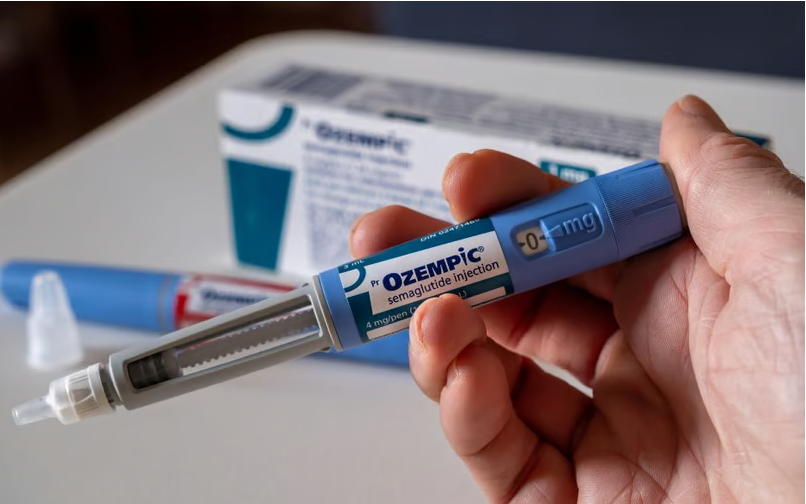
Rethinking the Food Industry and Consumer Habits in the Ozempic Era
The Ozempic Era is sending shockwaves through the American economy, particularly within the multi-billion-dollar food and beverage sector. Major retailers and snack food manufacturers have already begun to report shifts in consumer behavior. When a significant portion of the population is suddenly “not hungry” or finds that their cravings for high-sugar, ultra-processed foods have vanished, the traditional business models of “Big Food” are called into question.
We are seeing a decline in the sales of traditional “empty calorie” snacks, sugary sodas, and fast-food staples. In response, companies are pivoting. The Ozempic Era is ushering in a new wave of “GLP-1 friendly” food products—items specifically designed to be nutrient-dense and high in protein to help users maintain muscle mass while on the medication. Portions are being re-evaluated, and marketing strategies are shifting from “indulgence” to “functional nutrition.” This economic transition highlights how a single medical intervention can force a massive industrial complex to reinvent itself to cater to a less-hungry, more health-conscious consumer base.
The Conflict Between Body Positivity and the Ozempic Era
The Ozempic Era has created a complex and often painful friction with the “Body Positivity” and “Health at Every Size” (HAES) movements that dominated the previous decade. For years, activists worked to decouple health from thinness and to reduce the stigma surrounding larger bodies. The sudden availability of a “quick fix” for weight loss has felt, to some, like a betrayal of those hard-won cultural gains. There is a fear that we are regressing to a society where being thin is once again the only acceptable way to exist.
On the other hand, many participants in the Ozempic Era argue that the medication is a tool for empowerment. They claim that being able to control one’s health and reduce the risk of co-morbidities like heart disease and joint pain is a form of self-love. This tension is a defining characteristic of the current cultural moment: Is the desire to be thin a result of societal pressure, or is it a legitimate personal health goal? The debate remains unresolved, but it has forced a much-needed conversation about the difference between “vanity” and “well-being” in a society that often confuses the two.
Healthcare Disparities and the Economic Toll of the Ozempic Era
The Ozempic Era has laid bare the deep inequities within the American healthcare system. Despite the clear medical benefits for those with obesity and diabetes, the cost of these drugs remains prohibitively high for many. List prices often exceed $1,000 per month, and insurance coverage is notoriously inconsistent. This has led to a “healthcare divide” where the wealthy can afford to optimize their metabolic health, while those in lower-income brackets—who are often disproportionately affected by obesity due to food deserts and systemic issues—are left behind.
Furthermore, the surge in demand during the Ozempic Era led to significant shortages, causing a crisis for Type 2 diabetics who rely on these medications for survival. This sparked a moral debate: Should a drug intended for a life-threatening disease be used for cosmetic weight loss? The rise of compounding pharmacies and “off-brand” versions of the drug has added another layer of complexity, raising concerns about safety and regulation. The economic toll isn’t just on the individual; as more Americans seek these drugs, employers and state health plans are struggling to balance the long-term savings of a healthier population against the immediate, staggering costs of the prescriptions.

The Future of Wellness and Longevity in the Ozempic Era
The Ozempic Era is likely just the first chapter in a much larger story about human longevity and biological optimization. We are moving toward a future where “metabolic health” is managed as precisely as blood pressure or cholesterol. Researchers are already looking beyond weight loss, investigating whether these drugs can treat other forms of compulsive behavior, such as alcohol addiction and smoking, due to their effect on the brain’s reward systems.
As we look toward the end of this decade, the Ozempic Era will be remembered as the point where we stopped viewing obesity as a personal failure and started treating it as a manageable biological state. However, the challenge remains to ensure that these advancements don’t lead to a new form of social surveillance or a world where the pressure to be “chemically perfect” becomes a new burden. The true success of this era will be measured not by how many pounds are lost, but by how much healthier and more equitable our society becomes as a result of these powerful new tools.
The Long-Term Cultural Legacy of the Ozempic Era
The Ozempic Era will leave an indelible mark on the American psyche. We are currently in the midst of a “Great Thinning,” but the psychological impact of this transition is still being understood. When the biological drive to eat—a drive that has defined human survival for millennia—is suddenly muted, what happens to our relationship with culture, community, and celebration? Much of human social interaction is built around the breaking of bread. As appetites shrink, will our social structures shrink with them?
In conclusion, the Ozempic Era is more than a medical trend; it is a mirrors held up to American values. It reflects our incredible capacity for scientific innovation and our enduring obsession with physical appearance. It highlights our systemic inequalities and our ability to adapt to new economic realities. As these drugs become more accessible and even more effective, the “Ozempic Era” will eventually just become “the way we live.” The task for professionals, creators, and citizens alike is to navigate this new landscape with empathy, ensuring that in our quest for better bodies, we do not lose sight of the value of the human spirit in all its diverse forms.
About the Author