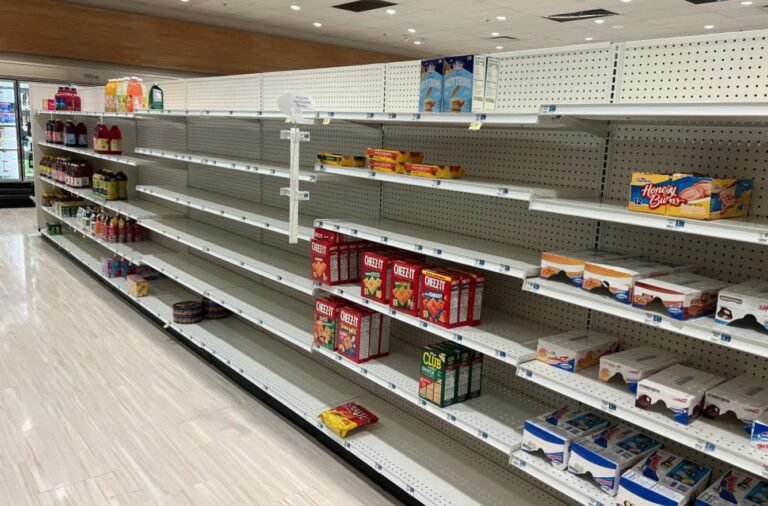
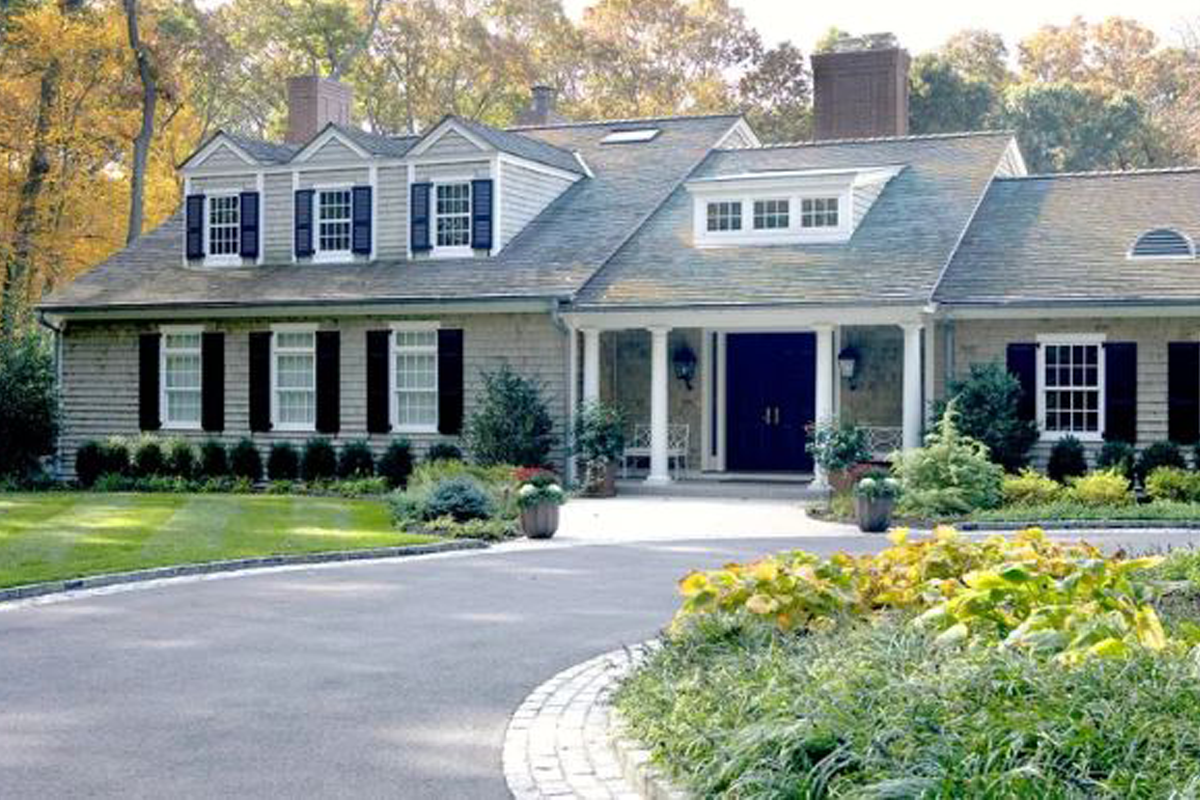
Housing Market fluctuations have become the primary source of economic anxiety for the American public in 2026, as the gap between median wages and property values reaches a historic chasm. For the average American, the dream of a white picket fence has been replaced by the reality of skyrocketing rents and mortgage rates that seem to defy gravity. We are no longer looking at a temporary “bubble” or a seasonal dip; we are witnessing a fundamental structural shift in how shelter is priced, owned, and distributed. To understand if affordability will ever return, we must peel back the layers of supply shortages, institutional greed, and the shifting role of the Federal Reserve.
The Historical Evolution of the Modern Housing Market
To grasp the current crisis, one must look at the trajectory of the Housing Market over the last two decades. Following the Great Recession of 2008, the United States entered a decade of chronic underbuilding. Builders, scarred by the crash, became risk-averse, focusing on high-margin luxury developments rather than the “starter homes” that previously allowed young families to enter the market.
Then came the global pandemic of 2020, which acted as a catalyst for chaos. Remote work untethered millions of professionals from urban cores, leading to a “great migration” into suburbs and mid-sized cities that were unprepared for the influx of capital. This, combined with historically low interest rates, created a feeding frenzy. By the time the dust settled in late 2023, home prices in many American metros had surged by over 40%, setting a new, higher floor that has persisted into 2026. The result is a market where the entry-level tier has virtually vanished.
The Chronic Inventory Shortage Plaguing the Housing Market
The most persistent thorn in the side of the Housing Market is the lack of available inventory. Economics 101 dictates that when demand outstrips supply, prices rise—and in the U.S., we are currently short by approximately 4 to 5 million housing units. This shortage isn’t just about a lack of lumber or labor; it is a byproduct of “NIMBYism” (Not In My Backyard).
Restrictive zoning laws in many high-demand states—such as California, New York, and Massachusetts—make it nearly impossible to build multi-family units or smaller, dense housing. Many local communities prioritize “neighborhood character” over affordability, effectively outlawing the very types of homes that young professionals and working-class families need. Until the Housing Market sees a massive deregulation of zoning and a dedicated effort to build “the missing middle,” supply will continue to lag behind, keeping upward pressure on prices regardless of what happens to interest rates.
Institutional Investors and the Corporate Capture of the Housing Market
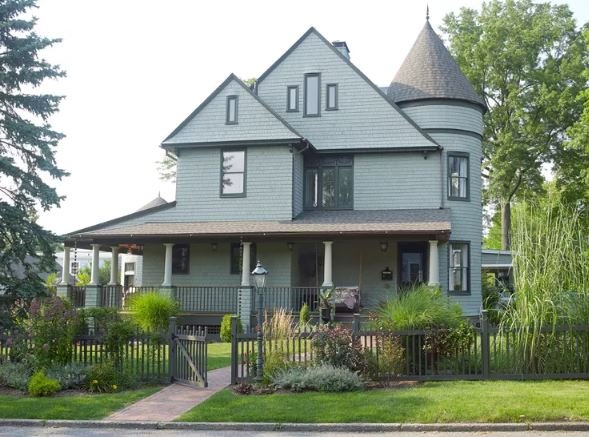
A relatively new and controversial player in the Housing Market is the institutional investor. Private equity firms and Wall Street giants, such as Blackstone and Invitation Homes, have spent billions of dollars purchasing single-family residences. Their strategy is simple: buy the homes that would typically go to first-time buyers, convert them into high-priced rentals, and hold the assets for decades.
In some American zip codes, institutional investors accounted for nearly 30% of all home sales in recent years. This creates a “bidding war” that the average family simply cannot win. When a corporate entity can make an all-cash offer that is 20% above the asking price, the local teacher or nurse is boxed out before the negotiation even begins. This “financialization” of the Housing Market has turned a basic human necessity into a speculative asset class, further eroding the possibility of affordable homeownership for the masses.
High Interest Rates: The “New Normal” for the Housing Market
For a generation of buyers who came of age during the era of 3% mortgage rates, the current environment is a shock to the system. The Federal Reserve’s aggressive battle against inflation has pushed rates to levels not seen in decades, significantly increasing the “monthly carry” for any new home purchase. In the current Housing Market, a buyer today might pay twice as much per month for the exact same house their neighbor bought just four years ago.
This has created a “lock-in effect.” Existing homeowners who secured ultra-low rates in 2020 and 2021 are refusing to sell, as doing so would mean trading their 3% mortgage for a 7% or 8% one. This lack of “churn” keeps inventory levels at record lows. The Housing Market is currently in a state of stalemate: buyers can’t afford to buy, and sellers can’t afford to sell. This paralysis prevents the natural price correction that usually follows a rise in interest rates, leaving the market in a high-price, low-volume limbo.
The Death of the Starter Home in the Housing Market
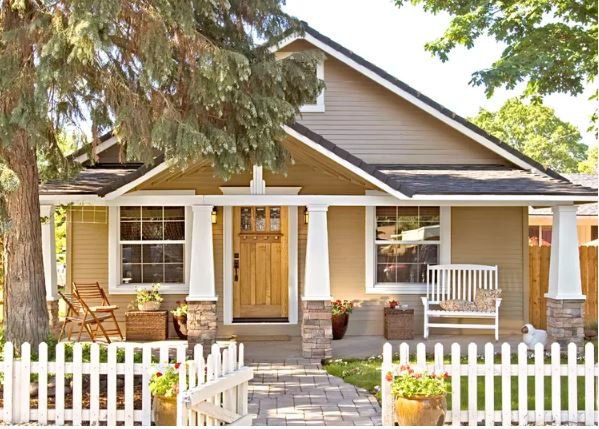
One of the most tragic aspects of the modern Housing Market is the disappearance of the entry-level home. In the 1950s and 60s, a 1,200-square-foot bungalow was the standard “first step” for young couples. Today, developers find these homes unprofitable to build. High land costs, expensive permits, and rising material prices mean that builders only see a return on investment if they build “McMansions” or luxury condos.
This has forced many Gen Z and Millennial buyers to look at alternative options, such as “build-to-rent” communities or tiny homes, but these are often stop-gap measures that don’t allow for the same equity-building potential as traditional homeownership. The Housing Market is becoming a two-tier system: those who inherited property or bought early are seeing their wealth explode, while those on the outside are stuck in a “forever renter” cycle that makes it impossible to build generational wealth.
Technological Disruptions and PropTech in the Housing Market
As we move deeper into 2026, technology is playing an increasingly complex role in the Housing Market. The rise of “iBuyers” and AI-driven valuation tools (PropTech) was supposed to make the process more transparent and efficient. However, critics argue that these algorithms have actually contributed to price inflation. When an algorithm determines that a neighborhood’s prices should rise by 10%, every seller follows suit, creating a self-fulfilling prophecy.
There are also concerns regarding “algorithmic price-fixing” in the rental sector of the Housing Market. Software used by large property management companies allows them to coordinate rents across entire cities, ensuring that prices remain high even when occupancy levels fluctuate. While tech can streamline the search process, it has yet to prove that it can lower the cost of entry for the average American buyer.
Policy Solutions for a More Equitable Housing Market
If the Housing Market is to ever become affordable again, it will require bold policy intervention at both the state and federal levels. We are starting to see the first signs of this shift. Some states are moving to eliminate single-family-only zoning, allowing for “accessory dwelling units” (ADUs) and duplexes on land that was previously restricted.
Other proposed solutions for the Housing Market include:
- Taxing Corporate Landlords: Implementing higher tax rates for entities that own more than a certain number of single-family homes to discourage institutional hoarding.
- Down-Payment Assistance: Expanding programs for first-time buyers, though critics warn this may just push prices higher if supply isn’t increased simultaneously.
- Public-Private Partnerships: Incentivizing developers to build “attainable” housing through tax breaks and streamlined permitting processes.
- Rent Control Debates: While controversial, many urban centers are revisiting rent stabilization to prevent the displacement of long-term residents.
The Rise of Secondary Cities: A New Frontier for the Housing Market
As the coastal hubs become entirely unaffordable, the Housing Market focus is shifting toward “Secondary Cities” and “Zoom Towns.” Cities like Des Moines, Oklahoma City, and Huntsville are seeing a surge in interest as they offer a higher quality of life for a fraction of the cost of New York or San Francisco.
However, this migration is a double-edged sword. As “equity refugees” from the coasts move into these more affordable areas, they bring their high-cost expectations with them, inadvertently driving up prices for the locals. This “export of unaffordability” means that the Housing Market crisis is no longer confined to the coasts; it is a nationwide phenomenon that requires a nationwide solution. The “hidden gems” of the American heartland are quickly becoming just as competitive as the cities they were meant to replace.
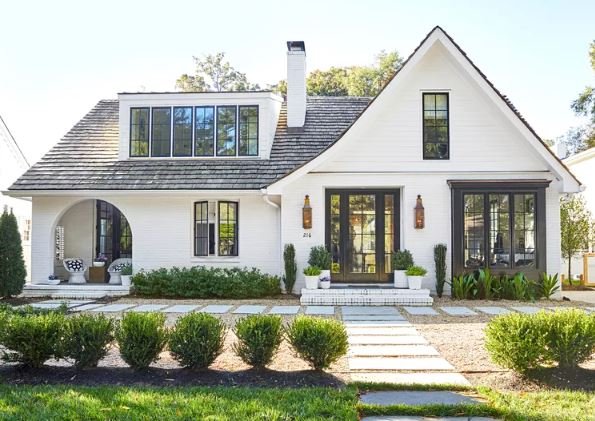
Conclusion: Will the Housing Market Ever Truly Correct?
The burning question remains: will the Housing Market ever be affordable again? If by “affordable” we mean a return to the prices of 2015, the answer is likely no. The combination of inflation, high land value, and a structural supply deficit means that the “new normal” is here to stay. However, if we define affordability as a market where a median-income earner can comfortably purchase a home without spending 50% of their salary on a mortgage, there is still hope.
The future of the Housing Market depends on our willingness to change how we think about land and community. It requires a move away from the “Not In My Backyard” mentality and toward a “Yes In My Backyard” (YIMBY) future. It requires reigning in the speculative forces that treat homes as stocks rather than shelters. Most importantly, it requires a commitment to building a diverse range of housing that reflects the needs of a 21st-century workforce. Until then, the American Dream of homeownership will remain on life support, waiting for a structural cure that only bold action can provide.
About the Author