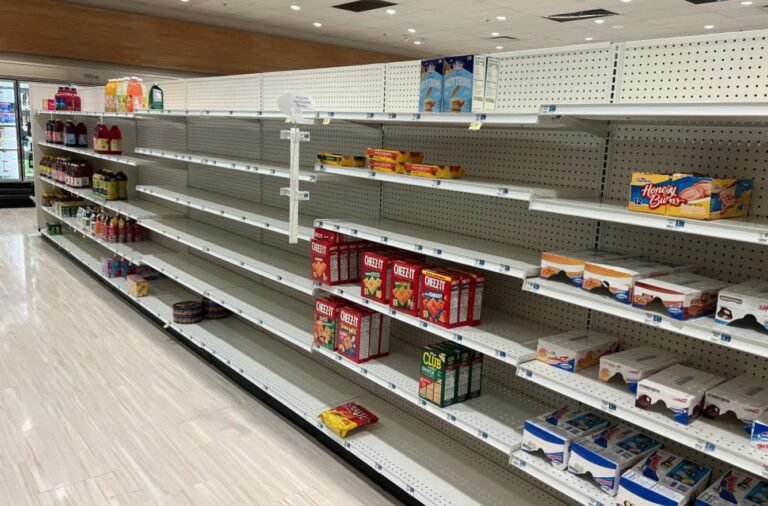

Doctor Shortage is the defining crisis of the Canadian social contract in 2026, as the promise of universal, timely primary care slips further out of reach for over 7 million “orphan patients” across the provinces. For decades, the image of the dedicated family physician—the person who knew your history, your family, and your community—was the cornerstone of our national identity. Today, that image is being replaced by the blue light of a smartphone screen and the sterile interface of a virtual waiting room. As we grapple with an aging population and a healthcare workforce on the brink of collapse, the question is no longer if the system will change, but whether virtual care is a genuine evolution or a desperate Band-Aid for a structural wound that refuses to heal.
The Root Causes of the Chronic Doctor Shortage in Canada
To understand the current Doctor Shortage, one must look at the “Moral Injury” affecting the Canadian medical profession. We often hear about “burnout,” but the reality is more systemic. Family physicians in 2026 are drowning in an “Administrative Tax”—spending up to 40% of their work week on paperwork, insurance forms, and navigating archaic provincial referral systems. When a doctor spends more time clicking through poorly designed Electronic Medical Records (EMRs) than looking into a patient’s eyes, the joy of medicine evaporates.
Furthermore, the “Fee-for-Service” model, once the gold standard of Canadian primary care, has become a major driver of the Doctor Shortage. In an era of complex, multi-morbid chronic diseases, the 10-minute time slot is no longer sufficient. New graduates are increasingly shunning traditional office-based family medicine in favor of hospitalist roles or specialized clinics where the overhead is lower and the work-life balance is more predictable. We are graduating more doctors than ever, yet fewer of them are choosing the very “cradle-to-grave” family medicine that the Canadian public desperately needs.
Virtual Care as a Response to the Mounting Doctor Shortage
The meteoric rise of telehealth was the primary pivot point in managing the Doctor Shortage during the mid-2020s. Platforms like Maple, Rocket Doctor, and provincial portals have become the first line of defense for those without a primary care provider. For a young professional in Toronto or an overworked parent in Calgary, the ability to get a prescription refill or a specialist referral via a 15-minute video call is not just a convenience—it is a lifeline.
Virtual care effectively “de-shackles” the doctor from the physical clinic, allowing a physician in a low-demand area to treat patients in a high-demand urban “desert.” In the context of the Doctor Shortage, this creates a digital marketplace of medical expertise. It reduces the strain on physical infrastructure and, for minor ailments, provides a speed of service that the traditional “waiting room” model could never match. In 2026, virtual care is no longer an “extra” feature of the system; it has become the infrastructure upon which the remains of primary care are built.

The Quality Gap: Can Virtual Tools Solve the Doctor Shortage?
While technology offers efficiency, many experts argue it cannot fully bridge the Doctor Shortage gap because it lacks “Continuity of Care.” Family medicine is built on a longitudinal relationship. When you see a different “virtual doctor” every time you log in, the nuances of your health history—the subtle changes in mood, the minor physical anomalies, the family context—are lost. Research consistently shows that patients with a consistent family doctor have better outcomes, lower hospitalization rates, and a higher quality of life.
The Doctor Shortage has forced a trade-off: we have sacrificed depth for access. You can get a video call today, but can that doctor palpate your abdomen? Can they pick up on the subtle scent of ketosis or notice a slight tremor that isn’t visible on a grainy webcam? There is a growing concern that the “Virtual First” approach is leading to a diagnostic delay, where serious conditions are missed because the physical examination has become an endangered part of the medical process. Virtual care is a powerful tool, but it is a “narrow” one, and relying on it to solve the Doctor Shortage may be creating a second-class tier of healthcare for the millions who cannot find a physical office.
Regional Disparities: How the Doctor Shortage Hits Rural Canada
Nowhere is the Doctor Shortage more acute than in Canada’s rural, Northern, and Indigenous communities. In 2026, the geographic divide in healthcare access has widened into a chasm. While an urbanite might complain about a three-week wait for an in-person appointment, a resident of a fly-in community in Northern Ontario or a small town in the Maritimes might not have seen a resident doctor in years. For these regions, the Doctor Shortage isn’t just an inconvenience; it is a public health emergency.
Virtual care was touted as the “great equalizer” for rural Canada, but it has hit the wall of the “Digital Divide.” Limited high-speed internet in remote areas and a lack of diagnostic equipment (like blood pressure cuffs or high-quality otoscopes) in the home mean that virtual care in these regions is often limited to a simple phone call. To truly address the Doctor Shortage in the “hinterlands,” Canada needs more than just apps; it needs “Hub-and-Spoke” models where virtual care is supported by traveling nurse practitioners and local paramedics who can act as the “hands” of the remote physician.
The Economic and Social Cost of the Persistent Doctor Shortage
The financial repercussions of the Doctor Shortage are felt most heavily in our Emergency Rooms. When a patient with a minor infection or a chronic condition cannot find a family doctor, they inevitably end up in the ER. This is the most expensive way to deliver healthcare. In 2026, the “Hallway Medicine” crisis is a direct symptom of the Doctor Shortage. An ER visit for a simple prescription renewal costs the taxpayer five times more than a standard office visit, yet millions have no other choice.
Beyond the balance sheet, the Doctor Shortage is eroding public trust in the Canadian identity. If “free” healthcare doesn’t actually mean “accessible” healthcare, the social contract begins to fray. We are seeing a rise in “Tiered Healthcare,” where those with the means pay for private executive health clinics to bypass the shortage, while the rest are left in the digital queue. This “Two-Tier” reality is the antithesis of the Canada Health Act, yet it is becoming the lived reality for more Canadians every year as the Doctor Shortage persists.

Innovative Solutions to End the Doctor Shortage Crisis
Ending the Doctor Shortage in 2026 requires a multi-pronged “War Time” effort from federal and provincial governments. We are seeing the first signs of this through several key initiatives:
- Credential Reform: Finally, provinces are moving to slash the “Red Tape” for Internationally Trained Physicians (ITPs). By creating “Practice-Ready Assessment” programs, Canada is beginning to utilize the thousands of immigrant doctors who were previously forced into unrelated jobs.
- The “Paperwork Peace” Pact: Governments are investing in AI-driven “Medical Scribes” that can listen to a patient-doctor interaction and automatically populate the EMR, potentially returning 10 to 15 hours a week back to the physician.
- The Team-Based Model: Instead of one doctor doing everything, the “Patient Medical Home” model uses a team of Nurse Practitioners, Pharmacists, and Social Workers. In this model, the doctor acts as the “Chief of Staff” for a group of patients, allowing them to manage a much larger roster without burning out.
- Residency Expansion: Increasing the number of residency spots for family medicine and providing debt-forgiveness for those who commit to working in “Shortage Zones” for five years.
These solutions acknowledge that we cannot just “hire” our way out of the Doctor Shortage; we must fundamentally redesign the work itself.
Conclusion: Navigating the Future of the Doctor Shortage
The Doctor Shortage is not a problem that can be “fixed” overnight, nor can it be solved by technology alone. As we have seen, virtual care is an indispensable part of the 2026 healthcare landscape, providing a level of agility that the old system lacked. However, we must be careful not to mistake “efficiency” for “care.” A screen can provide a diagnosis, but it cannot provide the human connection that is the true medicine in primary care.
The future of Canadian healthcare lies in a “Hybrid Model”—a system where virtual care handles the routine, the logistical, and the remote, while the physical clinic remains a protected space for complex, chronic, and human-centric medicine. To overcome the Doctor Shortage, we must value our doctors as much as we value our technology. We must reduce their administrative burden, pay them for their time rather than their speed, and ensure that every Canadian—regardless of their postal code—has a name they can call when they are sick. The social contract is under strain, but by reclaiming the human element of family medicine, we can ensure that the Doctor Shortage becomes a footnote in history rather than the end of the Canadian dream.
About the Author