The Economic Fallout of a full-scale regional conflict involving the United States, Israel, and Iran is no longer a distant theoretical exercise for geopolitical analysts; it is the grim reality facing every household across the United Kingdom in 2026. While the physical theatre of war remains thousands of miles away, the British “High Street” and the domestic kitchen table have become the secondary front lines.
In an era where the UK’s energy security is inextricably linked to global benchmarks and its supply chains rely on the fragile arteries of the Red Sea and the Suez Canal, a tremor in the Middle East becomes an earthquake in Birmingham, Belfast, and Bristol. This isn’t just about foreign policy or military alliances; it is about the cold, hard math of survival in a “perma-crisis” world where the price of a pint of milk or a kilowatt of electricity is dictated by a drone strike in a strait most Britons have never visited.
Why The Economic Fallout Begins at the Gas Meter
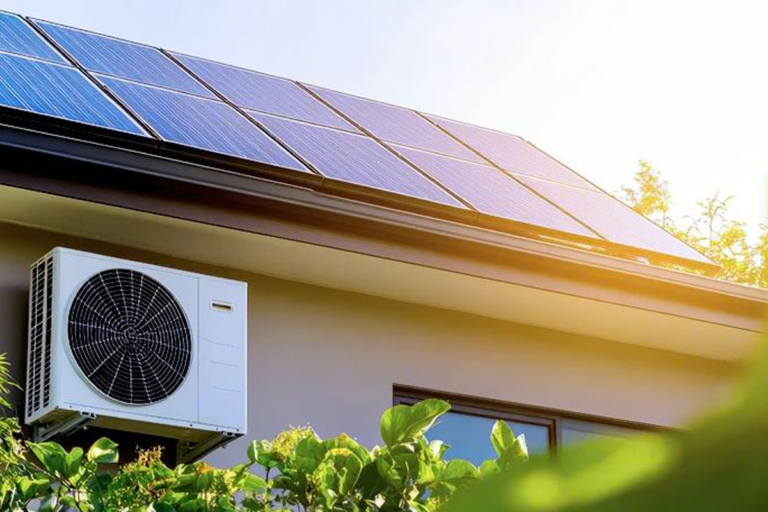
For the British public, the most immediate and painful manifestation of The Economic Fallout is the skyrocketing cost of energy. Despite 2026’s push for North Sea transition and renewable expansion, the UK remains a massive net importer of natural gas, and the British electricity market is still structurally “pegged” to gas prices. When tensions between the U.S. and Iran threaten the Strait of Hormuz—through which 20% of the world’s liquefied natural gas (LNG) flows—the reaction in the City of London is instantaneous and brutal.
The Ofgem price cap, once a shield for the vulnerable, has become a moving target that consistently misses the mark. We are seeing a return to the “Heat or Eat” dilemma that many hoped was a relic of the early 2020s. For the average UK household, a 40% spike in gas futures translates to an additional £800 to £1,200 on an annual energy bill almost overnight.
This isn’t just a number; it’s the cancellation of a family holiday, the turning off of radiators in elderly homes, and the shuttering of local pubs and small businesses that simply cannot absorb the overhead. The UK’s vulnerability lies in its lack of long-term storage, meaning we buy on the “spot market”—a market currently fueled by panic and military uncertainty.
The Suez Canal Bottleneck: The Economic Fallout for the British High Street
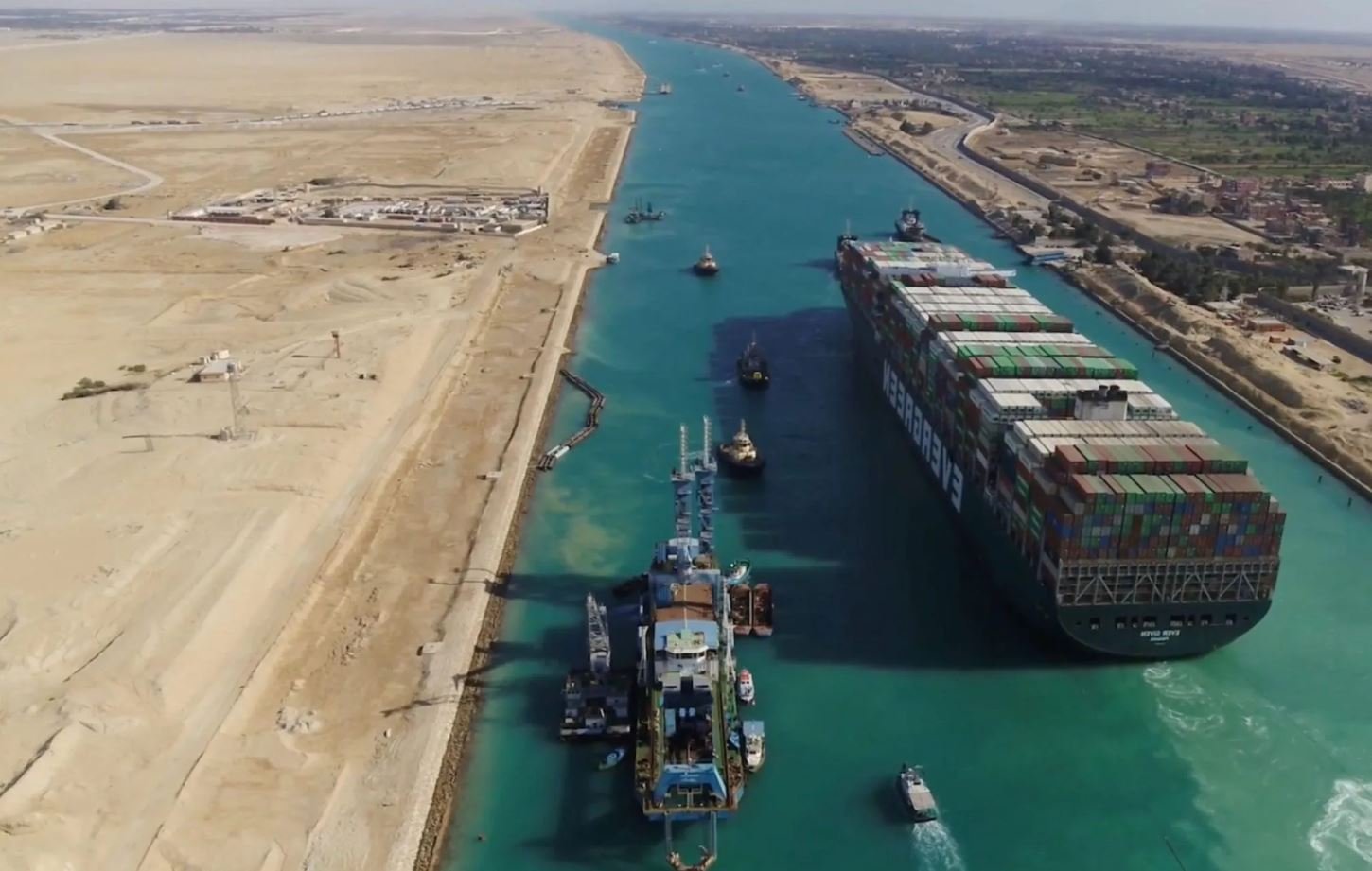
The logistical The Economic Fallout of a Middle East war strikes at the heart of the UK’s “Just-in-Time” retail model. The Red Sea and the Suez Canal are not just lines on a map; they are the primary conduits for goods moving from Asia and the Middle East to British ports like Felixstowe and Southampton. When shipping insurance premiums quadruple because of missile threats, or when global shipping giants like Maersk are forced to reroute vessels around the Cape of Good Hope, the “Just-in-Time” model becomes “Just-too-Late.”
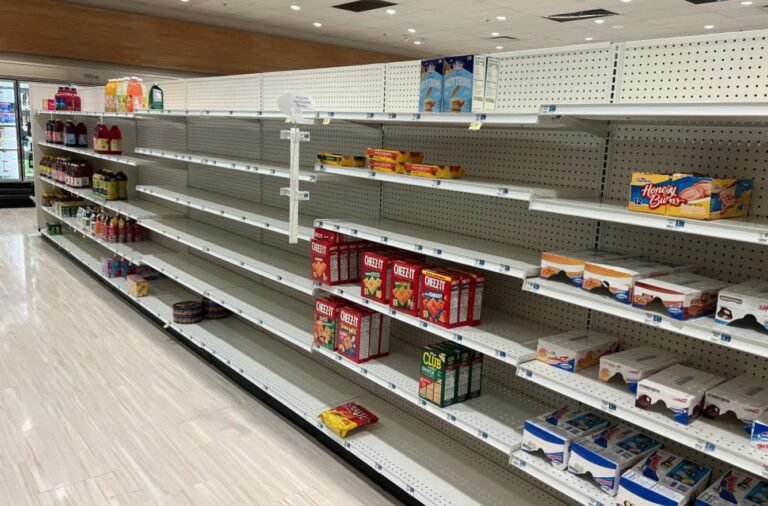
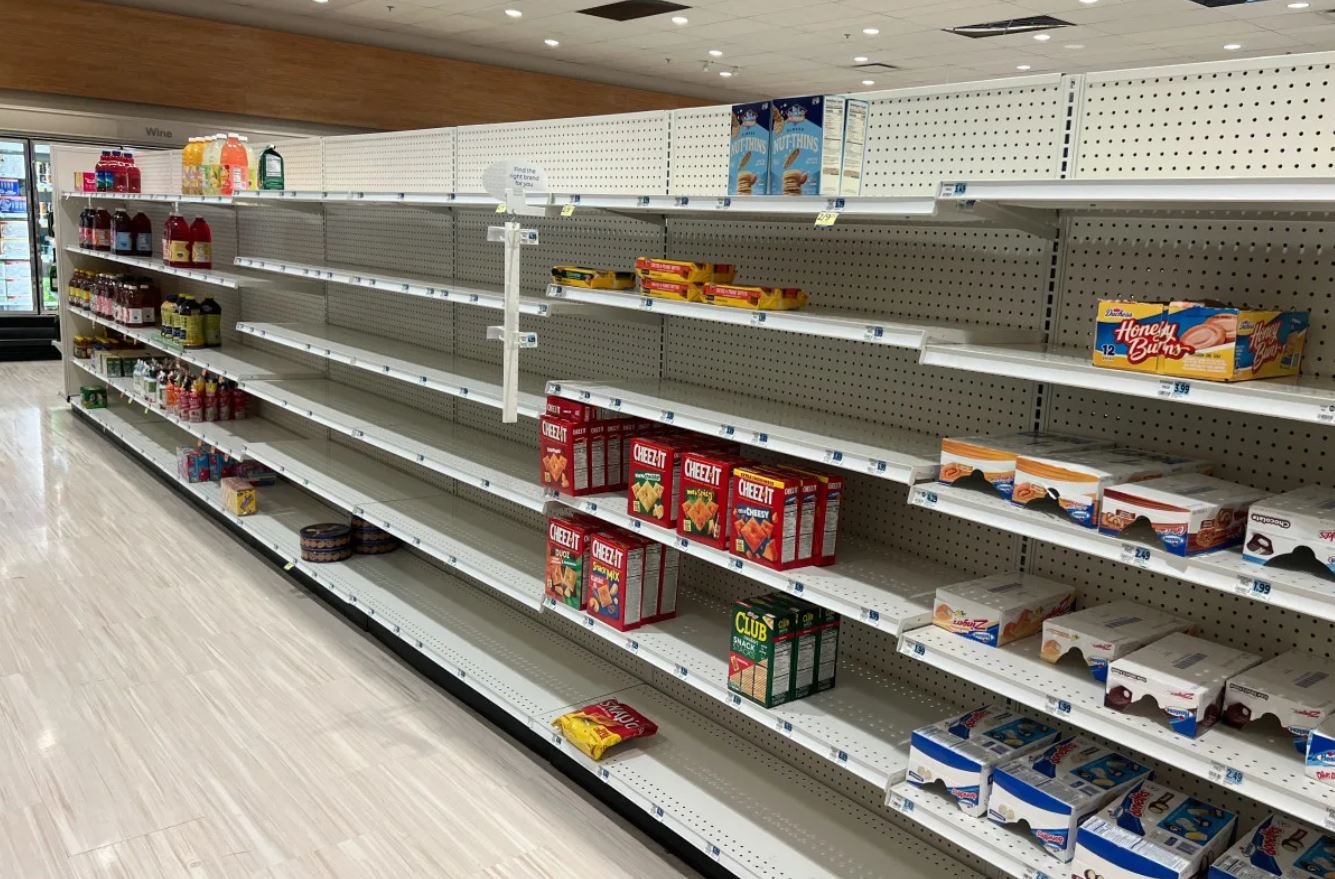
This adds approximately 10 to 14 days to the transit time of essential goods. For the British consumer, this results in “Empty Shelf Syndrome.” We aren’t just talking about the latest smartphones or luxury electronics; we are talking about seasonal produce, clothing, and even medical supplies. The cost of a 40-foot shipping container has surged, and those costs are invariably passed down to the consumer.
| Item Category | Pre-Crisis Price (Avg) | 2026 Conflict Price (Est) | % Increase |
| Weekly Grocery Shop | £85 | £115 | 35% |
| Annual Gas/Electric | £1,900 | £3,100 | 63% |
| Litre of Petrol | £1.45 | £2.10 | 45% |
| Imported Electronics | £500 | £625 | 25% |
Sterling Volatility and The Economic Fallout for Import Costs
The British Pound has always been a “sensitive” currency, and the current The Economic Fallout has sent it into a tailspin against the U.S. Dollar. In times of war, investors flee to “Safe Haven” assets, primarily the Greenback. For a post-Brexit Britain that relies heavily on imports for food and raw materials, a weak Sterling is a double-edged sword that only cuts one way: deeper into the consumer’s pocket.
When the Pound drops against the Dollar, every barrel of oil and every bushel of grain purchased on the international market becomes more expensive. This is “Imported Inflation.” Even if a British baker uses local flour, the fuel to bake the bread and the plastic to wrap it are priced in Dollars. The math of purchasing power parity ($PPP$) during a regional war can be expressed as:
$$PPP_{UK} = \frac{E_{local}}{S \times P_{global}}$$
Where $S$ is the spot exchange rate. As $S$ weakens, the domestic cost ($E_{local}$) must rise to meet the global price ($P_{global}$), effectively devaluing the British worker’s hourly wage without them ever leaving their desk. We are witnessing a silent theft of wealth, where the money in a British bank account simply buys less than it did a month ago.
The Bank of England’s Dilemma: The Economic Fallout and Interest Rate Hikes
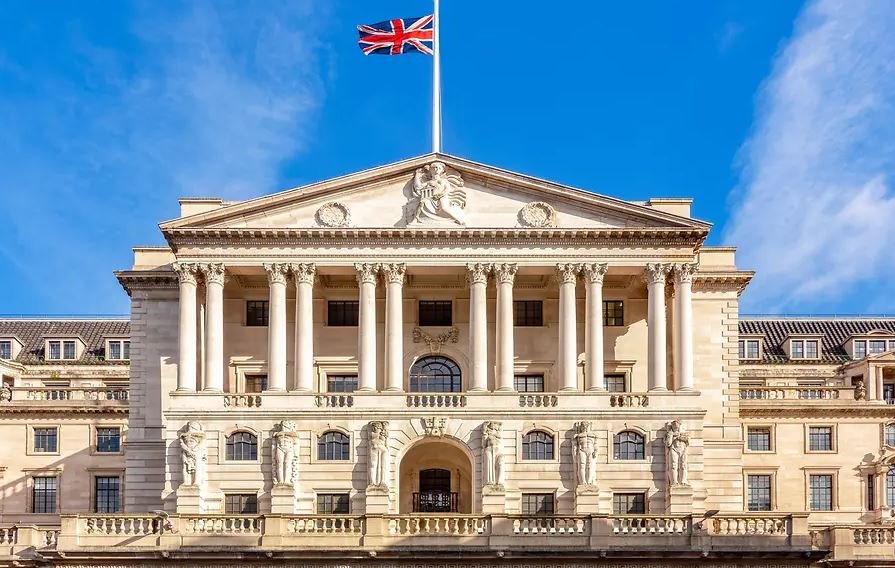
Threadneedle Street finds itself in a corner as The Economic Fallout forces a resurgence of inflation. The Bank of England’s primary mandate is price stability, usually targeted at 2%. However, with “Warflation” pushing CPI (Consumer Price Index) toward double digits again in 2026, the only tool they have is the interest rate “hammer.”
For the millions of British homeowners on variable-rate mortgages or those looking to renew their fixed-rate deals, this is a catastrophe. Higher interest rates are intended to cool the economy, but you cannot “cool” the price of oil or the cost of a war-torn supply chain. This leads to a “Stagflationary” environment—stagnant growth combined with high inflation. The result for the UK household is “Mortgage Misery.” A 1% rise in base rates can add hundreds of pounds to monthly repayments, effectively sucking the remaining discretionary income out of the economy and pushing many households toward the brink of repossession.
Public Services and The Economic Fallout on the National Health Service (NHS)
The ripple effect of The Economic Fallout extends deep into the UK’s social fabric, specifically the NHS and social care. The British government is currently facing a “Guns vs. Gowns” crisis. As the UK is pulled into supporting allies through increased defense spending and naval deployments, the fiscal space for domestic services shrinks.
The NHS, already struggling with the long-term effects of an aging population and 2020s-era backlogs, is hit by the rising cost of medical equipment, pharmaceuticals, and energy. Hospitals are massive consumers of electricity and heating; a budget that was supposed to hire more nurses is now being diverted to pay the heating bill for a surgical wing. Furthermore, the rising cost of living leads to increased mental health crises and poverty-related illnesses, putting even more strain on a system that is being financially bled dry by the global situation. The “Pocketbook” impact here is indirect but devastating: longer wait times, reduced services, and a sense that the social contract is fraying.
Food Security: How The Economic Fallout is Changing the British Diet
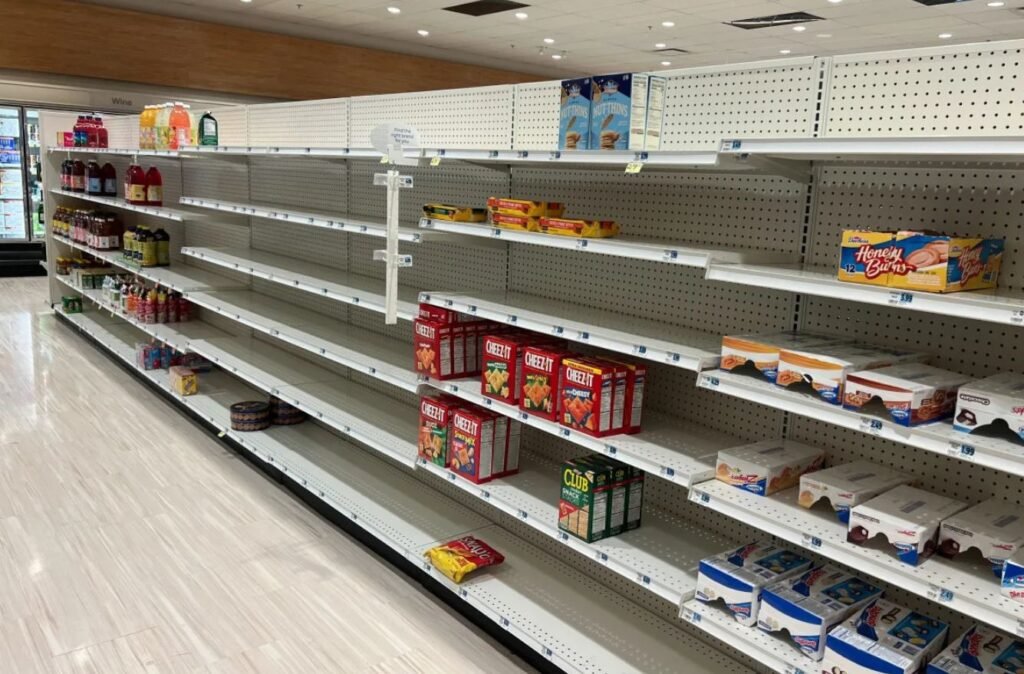
We are seeing a profound shift in consumer behavior as The Economic Fallout reaches the supermarket aisles. Britain imports nearly 50% of its food. While much comes from Europe, the global price of wheat, corn, and sunflower oil is set by the massive disruptions in the East.
In 2026, we are seeing the “Premiumization” of basic goods. Items that were once staples—like olive oil, certain meats, and out-of-season vegetables—are becoming luxury goods. The British public is responding by turning to “Value Ranges” and discount retailers in record numbers. However, even the discount retailers are struggling to keep prices low when their own logistics costs are through the roof. This has led to a rise in “Community Larders” and food banks, which are now being used not just by the unemployed, but by “Working Poor” families—teachers, nurses, and office workers who can no longer make the numbers work.
Conclusion: The Long Road Through The Economic Fallout
The Economic Fallout of the U.S.-Israel-Iran conflict is a stark reminder that in 2026, no nation is an island, even one that recently voted to act like one. The UK household is currently paying the price for a world that is more fractured and volatile than at any point since the end of the Second World War. From the energy bill that lands on the doormat to the empty space on the supermarket shelf where the cheap pasta used to be, the war is present in every aspect of British life.
The way forward requires more than just “Stiff Upper Lip” resilience; it requires a fundamental rethinking of the UK’s strategic dependencies. We need a faster transition to domestic energy, a more robust and localized food supply chain, and a diplomatic strategy that prioritizes economic stability. Until then, the British pocketbook will remain at the mercy of events in a distant desert. The 2026 winter will likely be remembered not for its weather, but for the resilience of a public that had to learn, once again, how to survive in the shadow of a global crisis.
About the Author