Clean Home culture has undergone a radical transformation in 2026, shifting from a mundane weekend chore into a high-octane digital obsession for a generation that was once stereotyped as “messy” and “unstructured.” If you walked into a British Gen Z flat five years ago, you might have found the classic hallmarks of student living: a mountain of unwashed laundry, a precarious stack of pizza boxes, and a general air of “I’ll get to it eventually.”
Fast forward to today, and the scene is unrecognizable. The air smells of eucalyptus and cedarwood; the surfaces are so polished they reflect the glow of a ring light; and the cupboard is stocked with a curated collection of “The Pink Stuff” and bespoke glass spray bottles.
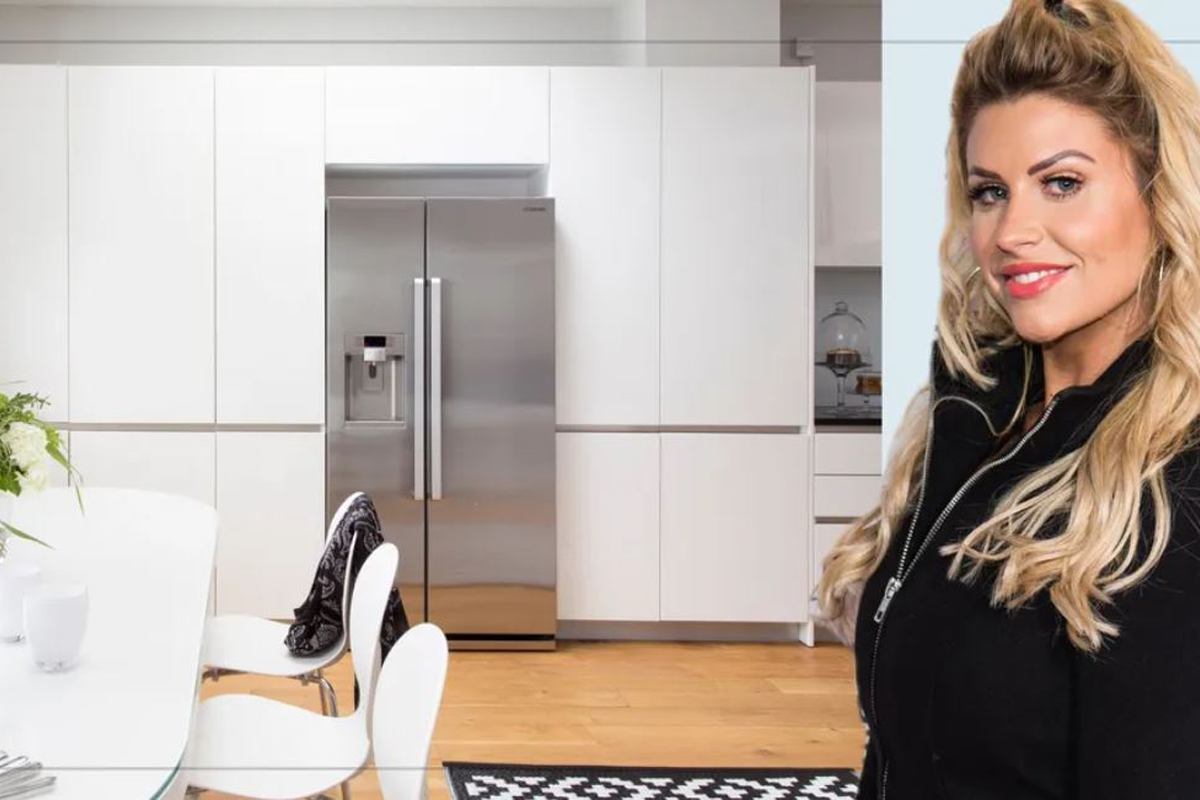
This isn’t just about hygiene; it’s a full-blown cultural movement. The rise of “CleanTok” and the enduring legacy of Sophie Hinchliffe—better known as Mrs. Hinch—have turned the act of scrubbing a sink into a form of performance art and mental therapy. For young adults in the UK, the quest for a spotless living space has become a primary tool for navigating an increasingly unpredictable world. In a decade defined by economic fluctuations and digital noise, the four walls of one’s apartment are the only thing they can truly control.
The Psychology of a Clean Home in a Chaotic 2026 World
To understand why a 22-year-old in Bristol or Manchester is spending their Friday night deep-cleaning their oven, we have to look at the broader sociological landscape. By 2026, the “perma-crisis” environment—encompassing everything from the housing market squeeze to the rapid evolution of AI in the workplace—has left many young Brits feeling untethered. A Clean Home serves as a sensory anchor. When the external world feels like it’s spinning out of control, the act of vacuuming in perfect lines provides an immediate, tangible sense of order.
Psychologists call this “proactive coping.” Unlike previous generations who might have used cleaning as a form of “nesting” after marriage, Gen Z uses it as a mindfulness practice. The rhythmic scrubbing of a stovetop or the systematic folding of a “linen closet” (even if that closet is just a single shelf in a rented room) releases dopamine. It’s a low-stakes win in a high-stakes life. For many, a tidy room isn’t just a tidy room; it’s a physical manifestation of a tidy mind, a necessary sanctuary to retreat to after a day of digital overstimulation.
How “CleanTok” Defined the Modern Clean Home Aesthetic
Social media, particularly TikTok, has been the primary engine driving the Clean Home obsession. The hashtag #CleanTok has surpassed billions of views, creating a new genre of “ASMR” (Autonomous Sensory Meridian Response) content. There is something profoundly satisfying about watching a grimy carpet being steam-cleaned or a messy fridge being reorganized with clear acrylic bins. These videos aren’t just instructional; they are hypnotic.
In 2026, the aesthetic of the British household has shifted. We’ve moved away from the “cluttercore” of the pandemic era toward a “Functional Minimalist” style. It’s all about clear surfaces, neutral tones, and “decanting.” Gen Z has pioneered the trend of removing products from their original, “ugly” plastic packaging and placing them into aesthetic glass jars. This “decanting” process is a key ritual in the pursuit of a Clean Home. It’s about removing visual noise. When even your laundry pods are stored in a minimalist glass container with a bamboo lid, the world feels just a little bit more sophisticated and manageable.

The Mrs. Hinch Effect: Influencing a Clean Home Generation
You cannot discuss the British cleaning phenomenon without mentioning the “Hinch Effect.” While Sophie Hinchliffe began her journey as a hair stylist sharing tips on how to polish her “Minkeh” cloths, she inadvertently sparked a multi-million-pound industry. By 2026, her influence has trickled down to a generation that views her not just as a cleaning guru, but as a pioneer of “home-fluencing.”
The “Hinchers”—as her followers are known—have turned cleaning products into status symbols. It’s no longer just about bleach; it’s about the specific scent of an “Ava-May” wax melt or the ergonomic grip of a “Scrub Daddy” sponge. For Gen Z, following these trends is a way to participate in a community. It’s a shared language of “zofloring” the floors and “chopping” the cushions. This community provides a sense of belonging, turning the solitary act of maintaining a Clean Home into a collective experience. It’s about sharing “hacks,” celebrating “small wins,” and finding beauty in the domestic ordinary.
Sustainable Products for a Clean Home and a Greener Planet
In 2026, the British obsession with a Clean Home has a distinct eco-conscious edge. Gen Z is acutely aware of the environmental impact of harsh chemicals and single-use plastics. As a result, the “New Clean” is as much about sustainability as it is about sparkle. We are seeing a massive surge in the popularity of “refill stations” across UK high streets, where young shoppers bring their own glass bottles to top up on biodegradable dish soap and multi-surface cleaners.
Products like white vinegar, bicarbonate of soda, and citric acid have made a massive comeback, rebranded for a modern audience with stylish, minimalist labels. The goal is to achieve a Clean Home without “green-washing.” This generation isn’t just looking for a clean floor; they’re looking for a clean conscience. Brands that offer concentrated “drops” (where you add your own water to a reusable bottle) have become the gold standard. It’s a rejection of the “disposable” culture of the past in favor of a circular economy that prioritizes the health of the planet alongside the health of the household.
The Mental Health Benefits of Maintaining a Clean Home
The link between a Clean Home and mental well-being is perhaps the most significant driver of this trend in 2026. For many young people struggling with “Burnout” or “Eco-Anxiety,” the act of cleaning functions as a moving meditation. It is one of the few activities that requires total presence. You cannot effectively scrub a bathtub while scrolling through Twitter; you have to be there, in the moment, focused on the task at hand.
Research in the UK has shown a direct correlation between high levels of domestic clutter and elevated cortisol (the stress hormone). Conversely, a simplified, organized environment promotes better sleep and improved focus. For Gen Z, who are often working from home in small, multi-purpose spaces, the distinction between “work mode” and “relax mode” is often defined by a quick “reset” clean. A ten-minute tidy-up at 5:00 PM acts as a psychological “off-switch,” signaling to the brain that the workday is over and the home is once again a place of rest.

Is the Obsession with a Clean Home a Form of Digital Escapism?
There is a valid argument that the hyper-fixation on a Clean Home is a form of digital escapism—a “filtered” version of reality that ignores the messier aspects of life. In the world of Instagram and TikTok, we only see the “After” shot; we rarely see the five hours of grueling labor or the underlying anxiety that might be fueling the need for perfection.
In 2026, we are starting to see a “Post-Hinch” backlash, where some influencers are calling for “Realistic Cleaning.” This movement highlights that it’s okay to have a messy “doom drawer” or a sink full of dishes. However, even this “Realism” trend is still focused on the home. It seems that for Gen Z, the home has replaced the nightclub or the high street as the primary stage for self-expression. Whether perfectly polished or “honestly messy,” the Clean Home remains the central pillar of their identity. It is the canvas upon which they project their values, their aesthetics, and their hopes for a more stable future.
Practical Tips for Achieving a Clean Home Without the Stress
If you’re looking to join the ranks of the “Clean Home” enthusiasts without falling into the trap of perfectionism, 2026 has brought us some brilliant, simplified strategies. The focus has shifted from “Marathon Cleaning” to “Micro-Habits.”
- The 10-Minute Reset: Set a timer for ten minutes before bed. Focus on high-traffic areas like the kitchen counter or the coffee table. This prevents the “Sunday Scour” and keeps the home baseline manageable.
- The One-In-One-Out Rule: To maintain a Clean Home, you must control the “inflow.” For every new item that enters the house, one must leave—either through donation, recycling, or the bin.
- Zoning: Don’t try to clean the whole flat at once. Focus on one “zone” a day. Monday is for the bathroom, Tuesday is for the bedroom, and so on. This makes the process feel like a series of small, achievable tasks rather than an overwhelming mountain.
- Scent-Scaping: Use scent to define the mood of a room. Citrus for the kitchen (clean and fresh), lavender for the bedroom (calm), and sandalwood for the living room (cozy).
By integrating these small habits, a Clean Home becomes a byproduct of your lifestyle rather than a destination you’re constantly struggling to reach.
The Future of the Clean Home: Technology and Automation
Looking ahead to the late 2020s, the concept of a Clean Home is set to become even more high-tech. We are already seeing the integration of “Smart Surfaces” that repel dust and “AI-Driven Vacuuming” that maps your home with terrifying precision. However, for the British Gen Z, technology is seen as a supplement to, not a replacement for, the manual ritual.
There is a pride in the “work.” While a robot might vacuum the floor, it cannot “style” a bookshelf or “scent” a room with the same human intuition. The future of the Clean Home will likely be a hybrid of advanced automation and artisanal craft. We will use AI to handle the drudgery, leaving us more time for the “curation” of our spaces—the parts of home-making that actually bring us joy. The home is becoming a “Smart Sanctuary,” where technology works silently in the background to support our human need for peace and order.
Conclusion: Why We Scrub
In conclusion, the British Gen Z’s obsession with a Clean Home is far more than a superficial trend or a side effect of too much social media. It is a profound reaction to the pressures of modern life. By turning inward and focusing on the domestic sphere, young adults are reclaiming their agency. They are proving that even in a world that feels increasingly digital and detached, there is immense value in the tactile, the local, and the clean.
Mrs. Hinch might have started the conversation, but a whole generation has taken it in a new direction—integrating sustainability, mental health, and personal identity into the mix. A Clean Home is no longer just a place to live; it is a project, a passion, and a sanctuary. In 2026, the “Mop and Bucket” have become symbols of resilience. We scrub because it makes us feel better. We tidy because it helps us think. And we care about our homes because, in the end, they are the only parts of the world that truly belong to us.
About the Author