Streaming Fatigue is the defining mood of the digital entertainment era in 2026, as millions of American households reach a breaking point with the sheer number of platforms, rising costs, and fragmented content libraries. What was once hailed as the “Cable Killer”—a promise of cheaper, easier, and more personalized television—has evolved into a complex web of monthly bills that often exceeds the price of the old cable packages we fought so hard to leave behind. We are no longer living in the Golden Age of Content; we are living in the Age of Exhaustion, where the simple act of “finding something to watch” has become a chore rather than a leisure activity.
Understanding the Economic Roots of Streaming Fatigue
To understand the rise of Streaming Fatigue, one must look at the “Subscription Creep” that has occurred over the last five years. In the early 2010s, a single Netflix subscription for $7.99 offered almost everything a viewer could want. Today, the landscape is fractured across Netflix, Disney+, Max, Hulu, Paramount+, Peacock, Apple TV+, and Amazon Prime Video. To have access to a full cultural conversation, a consumer now needs to juggle five to seven different services, bringing the total monthly cost well above $100.
In 2026, we are also seeing the aggressive implementation of “Password Sharing Crackdowns.” Major platforms have followed Netflix’s lead, ending the era of the shared family account and forcing users to pay for extra “member slots.” This financial pressure is a primary driver of Streaming Fatigue. When every platform raises its prices by $2 or $3 annually, the cumulative effect is a significant dent in the household budget. Consumers are reacting by becoming “Subscription Nomads”—signing up for one month to binge a specific show like Stranger Things or The Last of Us, and then immediately hitting the cancel button.
Content Overload and the Choice Paradox of Streaming Fatigue
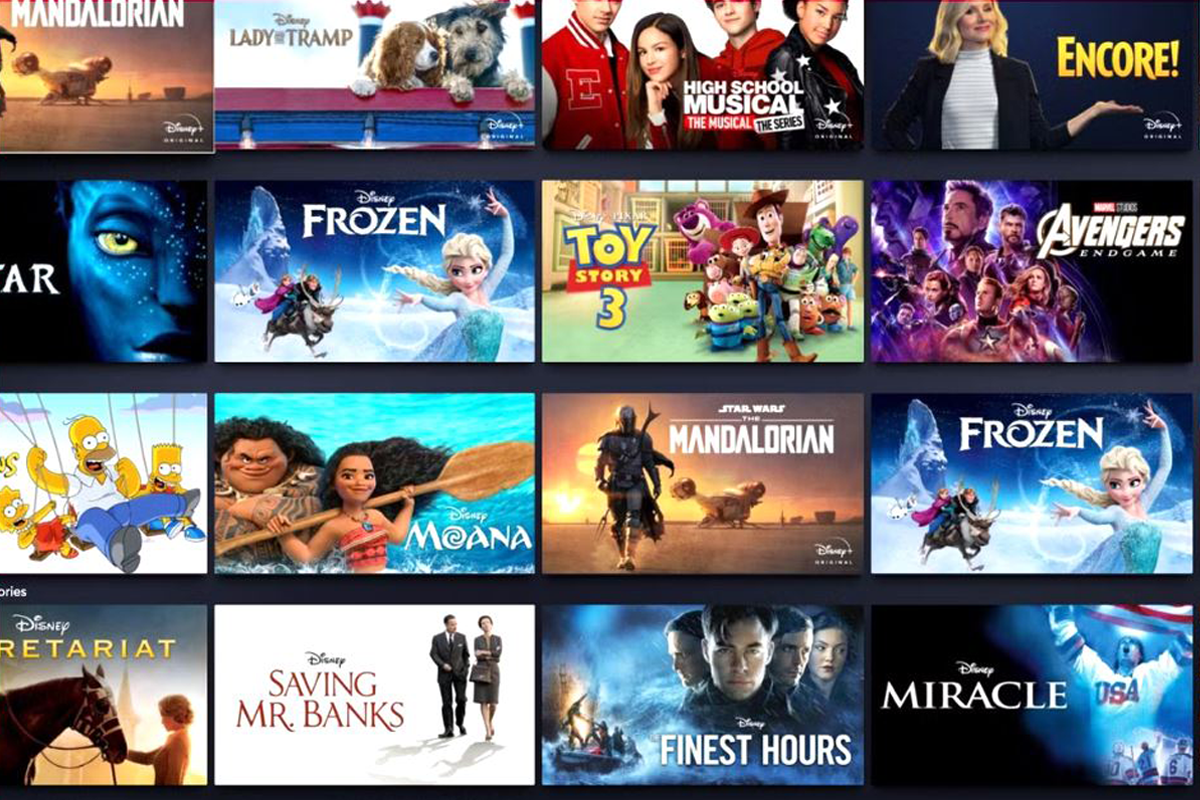
The psychological weight of Streaming Fatigue is rooted in the “Paradox of Choice.” Social scientists have long known that while humans crave options, an overabundance of choice leads to decision paralysis and decreased satisfaction. On any given Friday night, the average American spends approximately 20 to 30 minutes just scrolling through rows of “Recommended for You” thumbnails before either settling on a show they’ve already seen ten times or simply turning the TV off in frustration.
This abundance has led to a perceived decline in quality. To keep their libraries full, platforms are producing a massive volume of “filler” content—shows that are designed by algorithms to be “bingeable” but lack the depth or cultural staying power of prestige dramas. This “Content Churn” exacerbates Streaming Fatigue. Viewers feel overwhelmed by the quantity but starved for quality. When every platform has 50 new “Original Series” every month, none of them feel special, and the viewer feels a sense of cognitive load just trying to keep track of what is worth their time.
The Fragmentation Trap: How License Wars Fuel Streaming Fatigue
A major source of consumer resentment in the Streaming Fatigue era is the constant migration of content. One month, your favorite sitcom is on Netflix; the next, it has moved to a proprietary service owned by the parent company. This “Licensing Musical Chairs” makes it impossible for a viewer to feel a sense of ownership or stability. You are not paying for a library; you are paying for temporary access to a revolving door of titles.
This fragmentation has forced a “Return to Piracy” for some, but for most, it simply leads to a complete withdrawal from the ecosystem. The inconvenience of having to remember which app holds which movie is a friction point that modern audiences are increasingly unwilling to tolerate. The Streaming Fatigue felt here is a result of the “Walled Garden” strategy, where every media conglomerate wants to own the entire pipeline from production to distribution, leaving the consumer to pay the price for their corporate silos.
Ad-Supported Tiers: Is Forced Marketing Worsening Streaming Fatigue?
The “final straw” for many in the Streaming Fatigue cycle has been the reintroduction of commercials. The original promise of streaming was an ad-free experience. However, to satisfy Wall Street’s demand for “Average Revenue Per User” (ARPU), every major platform has introduced a cheaper, ad-supported tier. While these are marketed as “choice,” many users feel they are being pushed into them as the “Premium Ad-Free” tiers become prohibitively expensive.
For many, this feels like a regressive move back to the 1990s. Watching three minutes of unskippable ads for insurance or fast food in the middle of a high-budget cinematic series breaks the “immersion” that streaming was supposed to provide. This erosion of the user experience is a direct contributor to Streaming Fatigue. It reminds viewers that they are the product, not just the customer, and it devalues the premium nature of the service they are paying for.
The Great “Unsubscribing” Trend and Counteracting Streaming Fatigue
In 2026, “Churn Management” is the top priority for media executives because the “Unsubscribing” trend has become a mainstream movement. Americans are becoming much more intentional with their digital wallets. We are seeing the rise of “Bundle Savvy” consumers who utilize credit card perks, mobile phone plan inclusions, or seasonal “Black Friday” deals to keep their costs down.
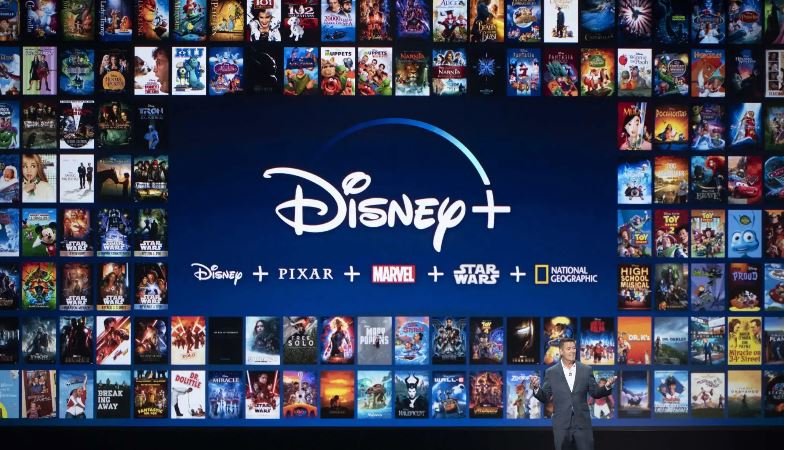
To counteract Streaming Fatigue, some platforms are attempting to “re-bundle.” We see Disney+ and Hulu merging into a single app interface, or Max offering “Add-ons” for other services. However, these are often seen as “Cable 2.0″—a return to the bloated packages we tried to escape. The real cure for Streaming Fatigue may not be more technology or better bundles, but a return to “Appointment Viewing” or curated experiences where the emphasis is on a few high-quality shows rather than an infinite library of mediocrity.
The Return of Physical Media as a Cure for Streaming Fatigue
A surprising byproduct of Streaming Fatigue is the “Vinyl-style” resurgence of physical media. Sales of 4K Blu-rays and boutique DVD collections (like Criterion) are on the rise among Gen Z and Millennials. The reason is simple: ownership. In a streaming world, a platform can delete a movie or “edit” a show for sensitivity reasons overnight. Buying a physical disc is an act of rebellion against the ephemeral nature of the cloud.
For those suffering from Streaming Fatigue, building a curated shelf of their favorite films provides a sense of peace. There is no algorithm, no monthly fee, and no “Content Leaving Soon” warning. This “Slow Media” movement mirrors the “Slow Food” or “Digital Minimalism” trends. It’s about quality over quantity and reclaiming the living room from the invasive reach of subscription-based software.
Predicting the Industry Shake-up Beyond Streaming Fatigue
Where does the industry go from here? The current state of Streaming Fatigue is unsustainable. Most analysts predict a “Great Consolidation.” In the next 24 to 36 months, we will likely see several major platforms merge or shut down entirely. The market simply cannot support eight different $15/month services.
We are also seeing the rise of “FAST” channels (Free Ad-Supported Streaming TV) like Pluto TV or Tubi. These services offer a “lean-back” experience that mimics traditional television—you turn it on, and something is playing. For many suffering from Streaming Fatigue, the ability to not choose is actually a relief. The future of streaming may look less like a digital video store and more like a hybrid of YouTube’s creator-driven content and a more streamlined, consolidated version of the prestige networks.
Conclusion: Reclaiming Your Time from Streaming Fatigue
The cycle of Streaming Fatigue ends with the individual consumer. As we’ve explored, the issue is a combination of economic pressure, algorithmic manipulation, and content fragmentation. To “future-proof” your entertainment life, the best strategy is to become a “Minimalist Streamer.” Audit your subscriptions every month. Ask yourself: “Did I watch more than two hours of this service this week?” If the answer is no, cancel it.
The power in the Streaming Fatigue era lies with the person who is willing to walk away. By being more selective and less reliant on the “infinite scroll,” you regain control over your attention and your budget. The “Streaming Wars” were fought over your time and your money; the only way to win is to stop playing the game on their terms and start watching on yours.
About the Author