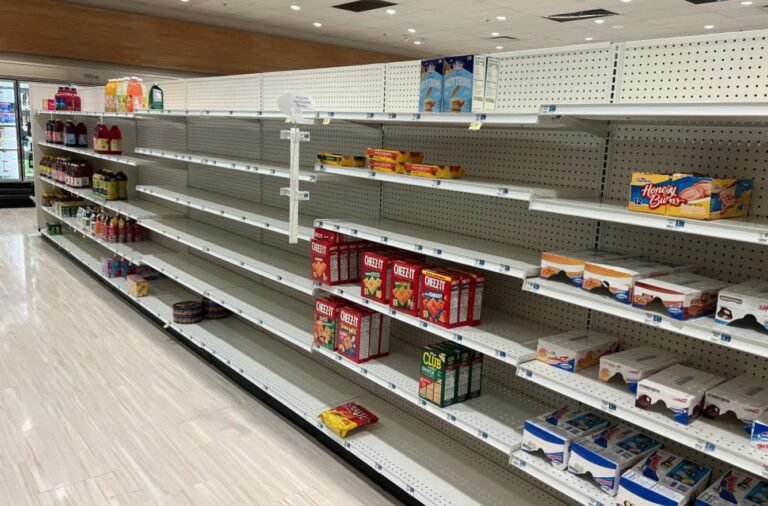

Inflation is often described as the “invisible thief” of the economy. It is a term that dominates news headlines, influences election cycles, and dictates the grocery budget of every household. But what exactly is it, and why does it seem to be the constant shadow of modern economics?
In this guide, we will dive deep into the world of infltion, exploring its various forms, what triggers its rise, and how both governments and individuals can navigate its complex landscape.
What is Inflation? Defining the Economic Phenomenon
At its most basic level, infltion is the rate at which the general level of prices for goods and services is rising, and, subsequently, the purchasing power of currency is falling. When the inflation rate rises, every dollar (or riyal, or euro) you own buys a smaller percentage of a good or service.
It isn’t just about one specific item getting more expensive; it is a sustained increase in the average price level of an entire economy. Central banks usually aim for a “healthy” level of inflation—typically around 2%—to keep the economy moving without letting prices spiral out of control.
The Primary Types of Infltion
To understand how inflation works, we must categorize it based on what is driving the price hikes. Economists generally recognize three main types of infltion:
1. Demand-Pull Inflation
This occurs when the demand for goods and services exceeds the economy’s ability to produce them. Think of it as “too much money chasing too few goods.” When consumers have extra cash and are eager to spend, but supply stays flat, businesses raise prices.
2. Cost-Push Infltion
This happens when the costs of production increase for companies. If the price of raw materials (like oil or grain) or labor (wages) goes up, businesses pass these costs onto the consumer to maintain their profit margins.
3. Built-In Infltion
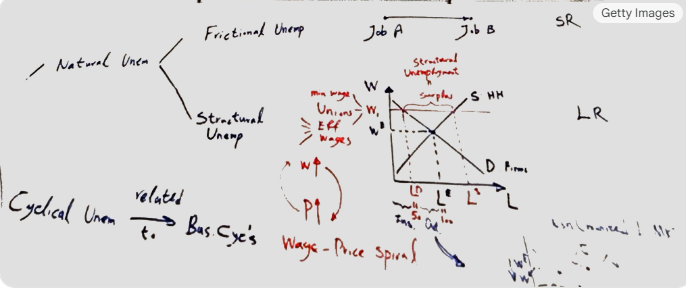
Also known as the “wage-price spiral,” this type of infltion is linked to adaptive expectations. As prices rise, workers demand higher wages to maintain their standard of living. To cover these higher wages, businesses raise prices further, creating a self-reinforcing loop.
Common Causes of Inflation in the Modern Economy
Why does inflation happen in the first place? It is rarely the result of a single factor, but rather a combination of several economic forces:
- Monetary Policy: If a central bank prints too much money or keeps interest rates too low for too long, the surplus of cash in the system devalues the currency.
- Supply Chain Disruptions: As seen in recent years, when global logistics break down, the scarcity of products naturally drives prices up.
- National Debt: When a government’s debt increases significantly, it may resort to printing money to pay off the interest, which can trigger inflationary pressure.
- Exchange Rates: If a country’s currency weakens against others, the cost of importing goods rises, contributing to domestic infltion.
How is Inflation Measured?
Governments use specific indices to track how prices are changing over time. The two most common metrics are:
- Consumer Price Index (CPI): This measures the weighted average of prices of a “basket” of consumer goods and services, such as transportation, food, and medical care. It is the most frequent tool used to identify periods of inflation.
- Producer Price Index (PPI): This tracks price changes from the perspective of the seller. It measures the average change over time in the selling prices received by domestic producers for their output.
The Impact of Inflation on Individuals
For the average person, infltion is felt most acutely at the gas pump and the supermarket checkout. However, its effects run much deeper:
Erosion of Purchasing Power
The most immediate effect of infltion is that your money doesn’t go as far. If you have $1,000 in a savings account earning 1% interest, but inflation is at 5%, you are effectively losing 4% of your wealth’s value every year.
Impact on Fixed-Income Earners
Retirees or those living on fixed pensions are often the hardest hit by infltion. While prices for essentials rise, their income remains stagnant, forcing a decrease in their quality of life.
The Silver Lining for Borrowers
Interestingly, infltion can be a benefit for people with fixed-rate debt, like a mortgage. If you owe $200,000 and inflation causes wages to rise, that debt becomes “cheaper” to pay back over time because the value of the dollars you are paying back is lower than the value of the dollars you borrowed.
The Impact of Inflation on Governments
Governments have a love-hate relationship with inflation. On one hand, moderate inflation can stimulate spending. On the other, high inflation can lead to social unrest and economic instability.
- Debt Devaluation: Much like individual borrowers, governments with high debt can benefit from infltion because it reduces the real value of what they owe.
- Tax Revenue: As prices and wages rise, governments often collect more in sales and income taxes, even if people aren’t actually “wealthier” in real terms.
- Political Risk: High inflation is a political nightmare. It erodes public trust and often leads to the downfall of administrations that cannot keep prices under control.
How Governments Can Deal With Inflation
When inflation becomes too high, central banks and governments must step in to “cool down” the economy.
Contractionary Monetary Policy
The most common tool is raising interest rates. When interest rates are high, borrowing money becomes more expensive. This discourages businesses from expanding and consumers from taking out loans for cars or homes. This decrease in spending helps lower the demand that was driving prices up.
Fiscal Policy
Governments can also reduce their own spending or increase taxes. By taking money out of the hands of consumers and businesses, the overall demand in the economy drops, which can help stabilize infltion.
How Individuals Can Deal With Inflation
You don’t have to be a victim of rising prices. There are several strategies to protect your wealth during inflationary periods:
- Invest in Real Assets: Real estate and commodities (like gold) historically hold their value well when currency devalues.
- The Stock Market: While volatile, companies often have the “pricing power” to raise their prices during infltion, allowing their stock prices to keep pace with or exceed inflation rates.
- Inflation-Indexed Bonds: Tools like Treasury Inflation-Protected Securities (TIPS) are specifically designed to increase in value as the CPI rises.
- Budgeting and Bulk Buying: On a practical level, buying non-perishable goods in bulk before prices rise further can save a household significant money.
Conclusion: Living with Inflation
Inflation is an inherent part of the modern fiat currency system. While it can feel like a burden, understanding its mechanics allows you to make better financial decisions. For governments, the goal is a delicate balance: keeping the economy warm enough to grow, but cool enough to prevent the “invisible thief” from stealing the public’s hard-earned savings.
By staying informed and diversifying your financial strategy, you can ensure that your purchasing power remains intact, no matter which way the economic winds blow.
About the Author