
GP Appointment logistics in 2026 have undergone a digital revolution, yet for many patients across the United Kingdom, the simple act of seeing a doctor remains one of the most stressful administrative hurdles in modern life. As the NHS continues to pivot toward a “Digital First” primary care model, the traditional methods of booking a consultation have been replaced by sophisticated triage algorithms, integrated smartphone apps, and a multi-disciplinary workforce. While these changes are designed to streamline the system, they require a new set of skills from the patient to ensure they don’t get lost in the digital shuffle.
In 2026, the demand for primary care services is at an all-time high, driven by an aging population and an increase in complex, chronic conditions. However, the way a GP Appointment is defined has broadened. It is no longer a guarantee of a face-to-face meeting with a General Practitioner; instead, it is a gateway to a variety of healthcare professionals, including clinical pharmacists, physiotherapists, and advanced nurse practitioners. To navigate this landscape successfully, patients must understand the mechanics of the “New NHS” and use every tool at their disposal to secure the care they need.
The Digital First Strategy for a GP Appointment
The most significant change in 2026 is the near-total integration of the NHS App into the process of booking a GP Appointment. Gone are the days when the app was merely a way to check a Covid-19 status; it is now the central nervous system of primary care. Most surgeries now mandate that routine requests be filtered through “E-Consult” or “Patchs” platforms integrated directly into the app.
To use this effectively, patients should ensure their biometric data and contact details are fully updated. In 2026, many surgeries use “push notifications” to alert patients to cancelled slots or newly opened weekend clinics. If you are not monitoring these notifications, you are missing out on the most efficient way to bypass the phone lines. Furthermore, the digital triage forms require precise language. Instead of simply stating “I feel unwell,” patients should use specific descriptors of symptoms, duration, and severity. These algorithms are designed to flag “red flag” symptoms automatically, pushing those requests to the top of the pile for a GP Appointment callback.
Navigating the 8 AM Rush for a GP Appointment
Despite the digital push, the “8 AM Scramble” remains a reality for those seeking an urgent, same-day GP Appointment. In 2026, phone systems have improved with sophisticated queuing software, but the volume remains overwhelming. The secret to success in this environment is “Multi-Channel Persistence.”
Savory patients often use two devices—a mobile and a landline—to increase their chances of hitting the queue at the exact second the lines open. However, a more effective strategy is often to check the online booking portal at 7:55 AM. Many practice management systems release a “batch” of emergency slots digitally just minutes before the phone lines go live. If you can secure one of these, you avoid the twenty-minute hold time and the stress of a potential disconnection. If you do find yourself in a phone queue, stay on the line; modern systems in 2026 are programmed to prioritize long-waiters, and dropping out to redial will only put you back at the bottom of the list.
The Role of Pharmacy First in Securing a GP Appointment
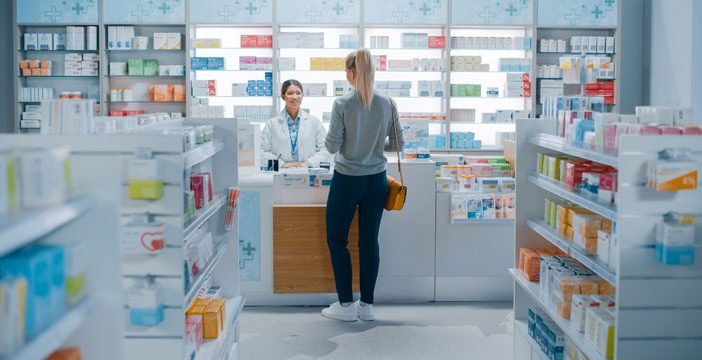
A major evolution in the 2026 healthcare model is the “Pharmacy First” initiative, which has significantly altered what constitutes a necessary GP Appointment. Under this scheme, high-street pharmacists have been granted prescribing powers for seven common conditions: sinusitis, sore throat, acute otitis media (earache), infected insect bites, impetigo, shingles, and uncomplicated urinary tract infections in women.
Before you spend hours trying to reach your surgery, check if your ailment falls under this remit. By visiting a pharmacist first, you not only receive faster treatment but also help declog the surgery’s system for patients with more complex needs. In many cases, the pharmacist can upload their consultation notes directly to your NHS record, ensuring your GP is kept in the loop without the need for a formal GP Appointment. This collaborative approach is the cornerstone of the 2026 primary care strategy.
Leveraging Private Healthcare for a GP Appointment
For those who find the NHS wait times untenable, the 2026 market offers a plethora of “Top-Up” private options for a GP Appointment. Many employers now include digital GP services like Livi or Bupa as a standard part of their benefits package. These services typically offer video consultations within two hours, including the ability to issue private prescriptions and referral letters that can be used back within the NHS system.
While this introduces a two-tier element to healthcare, it has become a vital safety valve for the system. If you are a freelancer or self-employed, an individual subscription to a digital-only GP service can cost as little as £15 a month. In 2026, these private providers have established data-sharing agreements with the NHS, meaning a private GP Appointment is no longer an isolated event; the results are seamlessly integrated into your central health record, allowing for continuity of care when you return to your local surgery for follow-up tests or long-term management.
Rights and Responsibilities Regarding Your GP Appointment
The NHS Constitution was updated recently to clarify the “Right to a Timely Response” regarding a GP Appointment. In 2026, surgeries are contractually obligated to provide a response to a request within 48 hours. This does not necessarily mean you will see a doctor within 48 hours, but you must receive a triage outcome—whether that is an invitation to book, a referral to a pharmacist, or a request for more information.
As a patient, your responsibility is to attend the slots you are given. The “Did Not Attend” (DNA) rates in 2026 are still a major drain on resources. Surgeries have become stricter; missing two appointments without prior cancellation can now lead to a formal warning or even removal from the patient list. If you cannot make your GP Appointment, use the “Cancel” button on the NHS App or reply “CANCEL” to the automated text reminder. This immediately releases the slot back into the system, often allowing another patient to see a clinician that very same day.
Preparing for a Remote GP Appointment
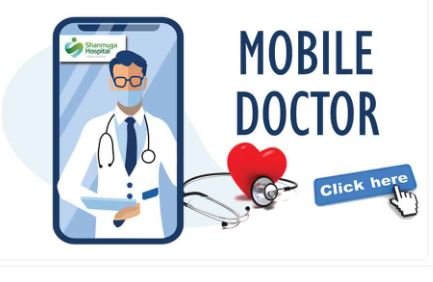
By 2026, roughly 60% of primary care consultations are conducted via telephone or video link. To ensure your remote GP Appointment is successful, you must treat it with the same seriousness as an in-person visit. Find a quiet, private space with a stable internet connection or strong mobile signal.
Have your “Vitals” ready. If you have a home blood pressure monitor, a pulse oximeter, or a thermometer, take your readings five minutes before the call. The GP will appreciate having hard data to work with, which can often make the difference between a successful remote diagnosis and the need to call you in for a face-to-face follow-up. In 2026, video platforms allow patients to “upload photos” during the call—useful for rashes or swelling. Ensuring these photos are clear and taken in good natural light will significantly enhance the quality of your GP Appointment.
Overcoming Barriers to an Urgent GP Appointment
There are times when the standard channels fail, and you need an urgent GP Appointment for a condition that isn’t quite an A&E emergency but cannot wait until Monday morning. In 2026, the “Enhanced Access” hubs are your best resource. These are groups of local surgeries that pool their staff to offer evening and weekend slots.
You can often book these through the 111 online service. When using 111, be honest and thorough. The 111 algorithm is designed to identify “Urgent Care” needs and can directly book a GP Appointment at a local hub for you, often within 4-6 hours. This service is particularly useful for parents of young children or those with fluctuating chronic conditions. Remember, the 111 service is the official “after-hours” gateway; using it correctly is key to navigating the system when your regular surgery doors are closed.
The Future Landscape of the GP Appointment System
Looking ahead toward the end of the decade, the concept of a GP Appointment is likely to become even more automated. We are already seeing the introduction of “AI Medical Scribes” that record and summarize consultations, allowing doctors to spend more time looking at the patient and less time typing.
Furthermore, “Wearable Integration” is the next frontier. By late 2026, it is expected that patients will be able to opt-in to sharing their continuous health data (from smartwatches and rings) directly with their surgery. This will allow for “Proactive Appointments,” where the surgery contacts the patient because their data suggests a brewing issue—such as an irregular heart rhythm or a spike in glucose levels—before the patient even feels symptomatic. This shift from “Reactive” to “Proactive” care will eventually reduce the pressure on the GP Appointment system as a whole.

The Importance of Patient Advocacy in a GP Appointment
In an increasingly automated system, the “Human Element” of a GP Appointment remains irreplaceable. If you feel that your concerns are not being heard or that the triage algorithm has miscategorized your urgency, you must be your own advocate.
This doesn’t mean being aggressive with reception staff—who are often under immense pressure—but rather being “Politely Persistent.” If you are a “Vulnerable Patient” (e.g., elderly, disabled, or dealing with mental health crises), ensure this is flagged on your record. Surgeries in 2026 have specific “Care Navigators” whose job is to ensure that vulnerable individuals are not disadvantaged by the digital-first approach. If you are struggling with the technology, ask for a “Social Prescriber” or a “Patient Liaison” who can help you navigate the booking process for your next GP Appointment.
Conclusion: Mastering the 2026 Healthcare System
In conclusion, securing a GP Appointment in 2026 requires a blend of technological savvy, strategic timing, and an understanding of the wider NHS ecosystem. While the system has become more complex, it also offers more pathways to care than ever before. By utilizing the NHS App, engaging with local pharmacists, and being prepared for remote consultations, you can ensure that you receive the medical attention you need without the traditional frustrations of the “waiting room” era.
The key is to remain adaptable. As the NHS continues to evolve, the patients who thrive will be those who embrace the new tools while maintaining the persistence required to navigate a high-demand service. Your health is your most valuable asset; mastering the GP Appointment system is the best way to protect it in this fast-moving digital age.
About the Author