
Save Money while simultaneously reducing your environmental impact is the ultimate financial strategy for 2026, as the intersection of economic inflation and climate consciousness creates a new blueprint for the modern household. For too long, “green living” was marketed as a luxury—a lifestyle reserved for those who could afford premium organic labels and high-end electric vehicles. However, the reality of 2026 is far more practical. Sustainability is no longer about spending more to feel better; it is about consuming less, wasting nothing, and optimizing every resource you have. By adopting a “circular” mindset, you can effectively hedge against rising costs while contributing to a healthier planet.
The Core Philosophy: Why Sustainable Habits Help You Save Money
Save Money by shifting your perspective from “consumer” to “steward.” In our current economic climate, the most sustainable item is the one you already own. The “Vimes ‘Boots’ Theory of Socioeconomic Unfairness” suggests that the poor remain poor because they are forced to buy cheap, low-quality items that need frequent replacement. Sustainability flips this script. By investing in quality or maintaining what we have, we break the cycle of “disposable” spending.
Sustainability is, at its heart, the practice of efficiency. When you reduce your energy consumption, you aren’t just “saving the ice caps”; you are lowering your utility bills. When you reduce food waste, you aren’t just keeping methane out of landfills; you are ensuring that every dollar spent at the grocery store ends up in your stomach rather than the trash. This article explores how to integrate these high-impact, low-cost habits into your daily life to ensure you thrive both financially and ecologically.
Energy Efficiency: High-Tech and Low-Tech Ways to Save Money
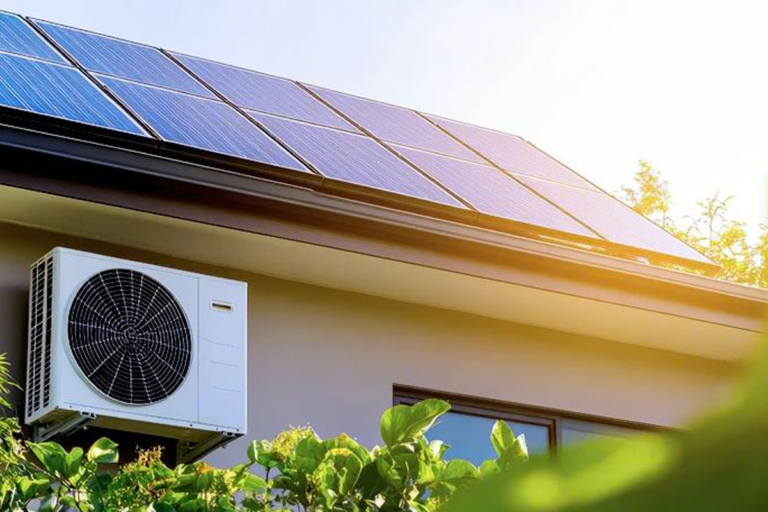
Save Money on your monthly overhead by auditing your home’s energy “leaks.” In 2026, smart home technology has become incredibly accessible, allowing for granular control over resource management. However, some of the most effective ways to lower your bills are decidedly low-tech.
Vampire Power and Smart Strips: Even when turned off, many electronics draw “phantom” or “vampire” power. In the average American home, this can account for up to 10% of the energy bill. Using smart power strips that cut power to peripherals when the main device is off is a simple way to keep those dollars in your pocket.
The 180°C (350°F) Rule and Thermal Mass: When using your oven, cooking multiple items at once utilizes the “thermal mass” of the heat already generated. Furthermore, checking your fridge seals with the “dollar bill test”—if you can pull a bill out of a closed door easily, the seal is leaking—can save you significant sums over a year.
Insulation and Draft Stoppers: You don’t need a full home renovation to improve insulation. Heavy curtains in the winter and reflective blinds in the summer can reduce heating and cooling costs by nearly 20%. A simple “draft dodger” (a fabric tube filled with sand or rice) placed at the bottom of doors can prevent expensive treated air from escaping.

Zero-Waste Kitchen Habits That Help You Save Money
Save Money by treating your kitchen like a closed-loop system. Food waste is one of the biggest “invisible” drains on a household budget. The average American family throws away nearly $1,500 worth of food annually. In 2026, with grocery prices remaining a top concern, tightening up your kitchen management is the fastest way to see a return on your sustainability efforts.
The “Eat Me First” Bin: Designate a specific spot in your fridge for items nearing their expiration date. This visual cue ensures you prioritize these ingredients for your next meal.
Regrowing Scraps: Many common vegetables—like green onions, celery, and lettuce—can be regrown in a simple jar of water on your windowsill. This is essentially “free” produce that requires nothing but a little sunlight.
Bulk Buying and Proper Storage: Buying in bulk reduces packaging waste and the “per-unit” cost. However, it only helps you save money if the food is stored correctly. Learning how to blanch and freeze seasonal vegetables or using glass jars to keep grains pest-free ensures your bulk purchases don’t go to waste.
Sustainable Fashion: How “Slow Fashion” Helps You Save Money
Save Money by opting out of the “Fast Fashion” cycle that dominates social media feeds. The fashion industry is responsible for significant global carbon emissions, but it is also a major drain on personal finances. The rise of “micro-trends” encourages consumers to buy cheap, poorly made clothes that fall apart after three washes.
The alternative is the “Capsule Wardrobe” or “Slow Fashion” approach. By focusing on timeless, high-quality pieces and learning basic repair skills, you dramatically reduce your “cost per wear.” In 2026, visible mending (using decorative stitching to fix holes) has become a style statement in itself. Repairing a favorite pair of jeans for $5 in materials instead of buying a new pair for $60 is a direct win for your bank account. Furthermore, the thriving “Resale Economy” on apps like Poshmark or Depop allows you to rotate your wardrobe sustainably by selling what you no longer wear to fund “new-to-you” thrifted finds.
Eco-Friendly Transportation: Cutting Carbon and Helping You Save Money
Save Money by rethinking how you move from Point A to Point B. While electric vehicles (EVs) are a great long-term goal, they aren’t the only way to green your commute on a budget. In many American cities, the infrastructure for “micro-mobility” has expanded significantly.
E-Bikes and Scooters: For trips under five miles, an e-bike is often faster and significantly cheaper than owning a car. When you factor in the cost of insurance, fuel, maintenance, and registration, a car can cost upwards of $10,000 a year to operate. Transitioning even one person in a multi-car household to an e-bike can provide an immediate and massive financial cushion.
Hyper-Miling and Maintenance: If you must drive, simple habits can help you save money at the pump. Maintaining proper tire pressure and removing unnecessary weight from your trunk can improve fuel efficiency by up to 3%. Furthermore, using apps to find the lowest fuel prices or carpooling with colleagues turns a solitary expense into a shared one.

Water Conservation Strategies to Protect the Earth and Save Money
Save Money by being mindful of the “blue gold” flowing through your pipes. Water scarcity is an increasing concern in several parts of the U.S., leading to higher tiered-pricing for heavy users. Reducing your water footprint is one of the lowest-effort ways to see a decrease in your monthly bills.
Low-Flow Technology: Swapping out an old showerhead for a high-efficiency low-flow model can save the average family thousands of gallons of water per year without sacrificing water pressure. These devices often pay for themselves in under three months.
Greywater Reuse: Using the water from your “waiting-to-get-hot” shower or your pasta-boiling pot (once cooled) to water your plants is a simple way to get a second life out of every drop.
The “Full Load” Rule: Running your dishwasher or washing machine only when it is completely full ensures you maximize the energy and water used per cycle. Modern dishwashers are actually more water-efficient than hand-washing, provided they are utilized correctly.
DIY Natural Cleaners: A Green Way to Save Money at the Grocery Store
Save Money by ignoring the brightly colored, chemically laden cleaning aisle at the supermarket. Most household cleaning tasks can be handled by three simple, biodegradable ingredients: white vinegar, baking soda, and lemon juice.
A bottle of name-brand “multi-surface cleaner” can cost $5 to $7. A gallon of white vinegar costs roughly the same and can make dozens of bottles of effective, non-toxic cleaner when diluted with water. Not only does this reduce plastic waste (as you are reusing the same spray bottle), but it also improves your indoor air quality by eliminating synthetic fragrances and harsh fumes. This “back-to-basics” approach to home maintenance is a hallmark of the 2026 frugal-living movement.
The Long-Term ROI of Sustainability: How Living Green Helps You Save Money
Save Money over the long haul by viewing your sustainable choices as investments rather than sacrifices. The “Return on Investment” (ROI) of a sustainable lifestyle is compounded over time. When you live sustainably, you are essentially “future-proofing” your life.
As resources become more expensive, the person who knows how to repair their own tools, grow some of their own food, and maintain an energy-efficient home will be the most financially resilient. This lifestyle encourages a “mindful consumption” habit that prevents impulsive spending—the enemy of any budget. Every time you ask, “Do I really need this?” or “Can I find this secondhand?”, you are exercising a muscle that builds long-term wealth.
Conclusion: The Synergy of Frugality and Environmentalism
Save Money today and secure the planet for tomorrow by embracing the beautiful synergy between frugality and environmentalism. We have entered an era where being “cheap” is rebranded as being “resourceful,” and being “lavish” is seen as being “wasteful.” The tips outlined above—from managing “vampire power” to regrowing kitchen scraps—may seem small in isolation, but they represent a significant shift in lifestyle.
In 2026, the most successful individuals are those who can navigate the complexities of the modern world with a sense of self-sufficiency. By choosing to live sustainably on a budget, you aren’t just cutting costs; you are reclaiming your time, your health, and your agency. The earth doesn’t need a few people doing zero-waste perfectly; it needs millions of people doing it imperfectly, starting with their own bank accounts.
About the Author