For nearly a decade, the “Home of the Whopper” stayed the course, relying on its signature flame-grilled taste to carry the brand. But even icons need a “glow-up” eventually. After years of listening to customer feedback—some of it quite blunt—Burger King has finally unveiled the first major changes to its crown jewel in ten years. This isn’t just a minor tweak; it’s a strategic pivot designed to reclaim the throne in an increasingly competitive fast-food landscape.
The New Whopper: A Premium Upgrade for an Iconic Classic
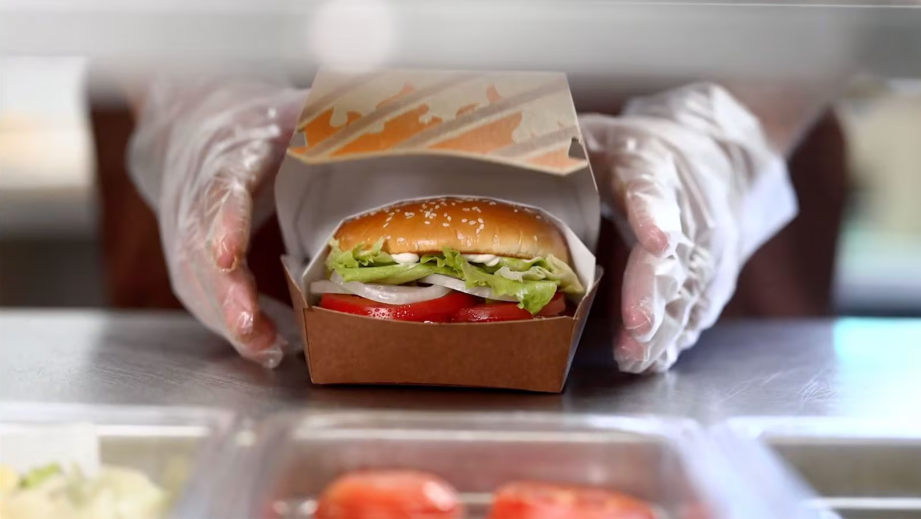
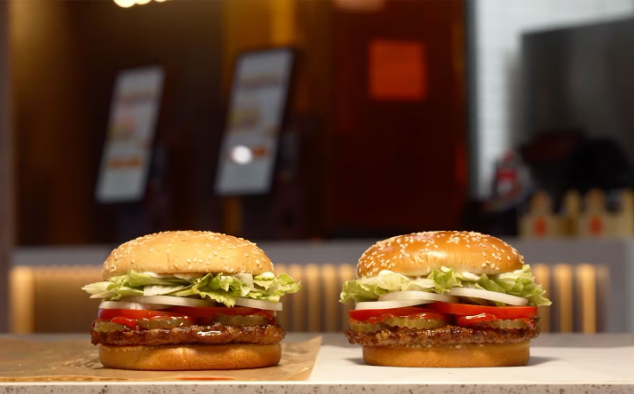
The changes to the Whopper are both aesthetic and structural. Starting this week across more than 7,000 locations nationwide, fans will notice a visible difference before they even take the first bite. The traditional soft bun has been retired in favor of a “premium” glazed version designed to offer more “lift” and a better visual appeal.
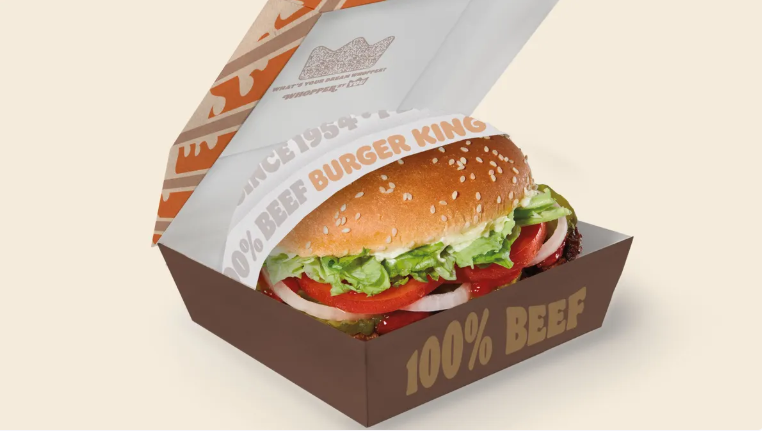
But it doesn’t stop at the bread. Burger King has introduced a new, creamier mayonnaise with subtle notes of sweetness and citrus to complement the flame-grilled beef. Perhaps most importantly for the “on-the-go” diner, the Whopper is ditching its classic paper wrap for a sturdy cardboard clamshell box. This move is designed to ensure the burger retains its heat and that “melty cheese experience” that customers crave.
Fixing the “Smashed” Whopper: Why Packaging Matters
One of the most frequent complaints Burger King executives heard was that the burger often arrived “smushed.” When a burger is wrapped tightly in paper, the steam and pressure can turn a masterpiece into a flattened mess by the time it reaches the customer’s hands.
Tom Curtis, President of Burger King U.S. and Canada, acknowledged this head-on. “The Whopper being smushed, literally, I’ve heard it… and we’ve seen it,” Curtis remarked. By moving the Whopper into a box, the brand is providing a “suit of armor” for the sandwich. Curtis famously compared the move to dressing their most famous burger in a “tuxedo instead of a leisure suit.” It’s about respect for the product and the person eating it.
The Economics of the Whopper: A $4,000 Investment for Franchisees
Quality, however, comes at a price. These “enhanced” Whopper ingredients and packaging will cost individual franchisees an estimated $4,000 extra per year. In an era of high labor costs and inflation, this is a significant ask.
Robert Byrne, a senior director at Technomic, notes that this creates a “tricky” situation for local owners. While the corporate office suggests this investment will drive sales, franchisees are feeling the squeeze of rising overhead. However, Burger King’s leadership believes that if they don’t improve the core Whopper experience, they risk losing even more ground to rivals who have already elevated their game.
The Kitchen Secrets: Seven Months of Testing the New Whopper
The road to the new Whopper was not a short one. The culinary team spent seven months in the test kitchen, obsessing over every variable. They even experimented with building the Whopper upside down—placing the beef on top and the vegetables underneath—before deciding that “sticking to the playbook” was the better move.
Head chef Amy Alarcon, who joined the brand in January, focused on the science of the bite. For the bun, she worked with a dozen national bakeries to adjust pan sizes and add a glaze that helps sesame seeds stay put. This gives the Whopper an “artisanal” feel rather than a mass-produced one. The goal was to make the burger look as good in person as it does in the commercials.
Direct Feedback: Why the President is Taking Calls About the Whopper‘
In a move rarely seen at the executive level, Tom Curtis decided to go straight to the source. Last week, he gave out his phone number and spent hours every day—including weekends—taking calls from real customers.
Through these 12,000+ calls, Curtis confirmed that while people love the Whopper, they aren’t shy about pointing out flaws. “There’s still instances where we let people down every single day,” Curtis admitted. Interestingly, these conversations about the Whopper have already sparked ideas for the next phase of the menu: the French fries. It turns out, when you fix the star of the show, people start looking more closely at the supporting cast.
Can the Enhanced Whopper Win Back the Fast-Food Market?
The stakes are incredibly high. Burger King currently sits as the eighth-largest fast-food chain in the U.S., but it has struggled with brand perception in recent years. Customers have complained about outdated stores and cold food, leading to a “lackluster experience.”
While sales are currently on an upswing—rising 3.2% in the last quarter—tinkering with a flagship product like the Whopper is always a gamble. There is a risk of alienating “loyalists” who liked the burger exactly as it was. Yet, the brand is betting that the changes are subtle enough to please old fans while being high-quality enough to lure back those who haven’t had a Whopper in years.
In a market where “pricing power” is limited and competitors like McDonald’s and Five Guys are constantly innovating, the Whopper remains Burger King’s best weapon. By putting it in a “tuxedo,” they aren’t just selling a burger; they are trying to sell a reason for America to fall in love with the King all over again.
About the Author