Key Points
President Donald Trump announced plans to sign an executive order imposing a new 10% “global tariff” under Section 122 of the Trade Act of 1974.
The move comes just hours after a major Supreme Court ruling struck down his sweeping reciprocal tariffs.
Trump insisted the 6–3 Supreme Court decision will not stop him from pursuing alternative legal paths to impose tariffs.
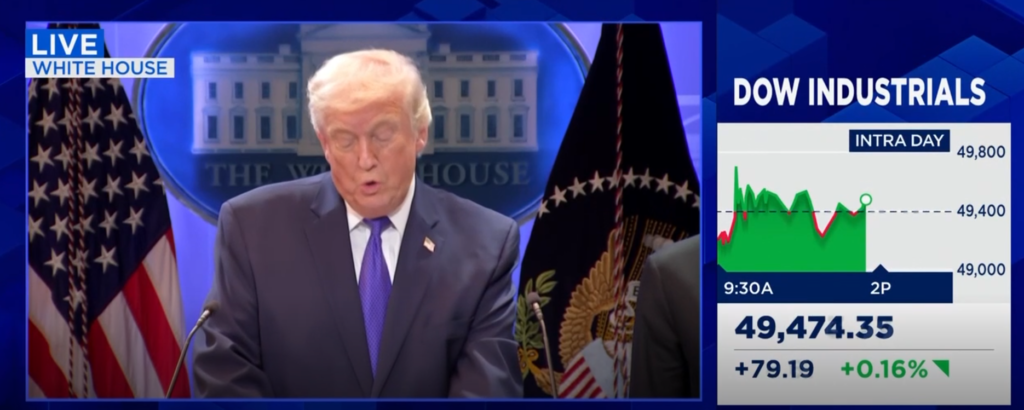
President Donald Trump announced plans to sign an executive order imposing a new 10% “global tariff” under Section 122 of the Trade Act of 1974.
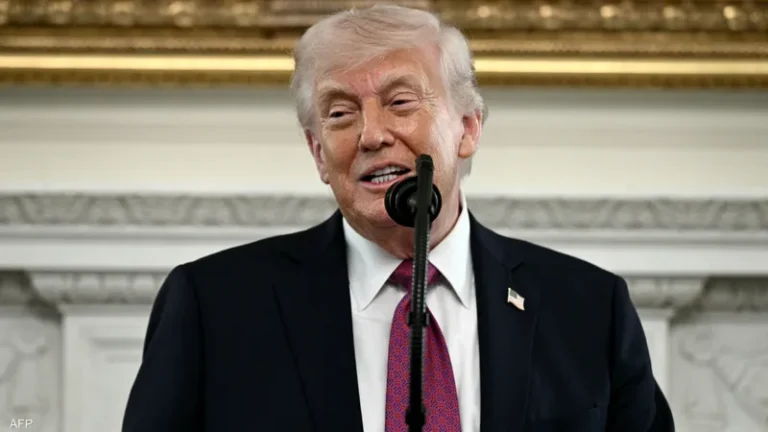
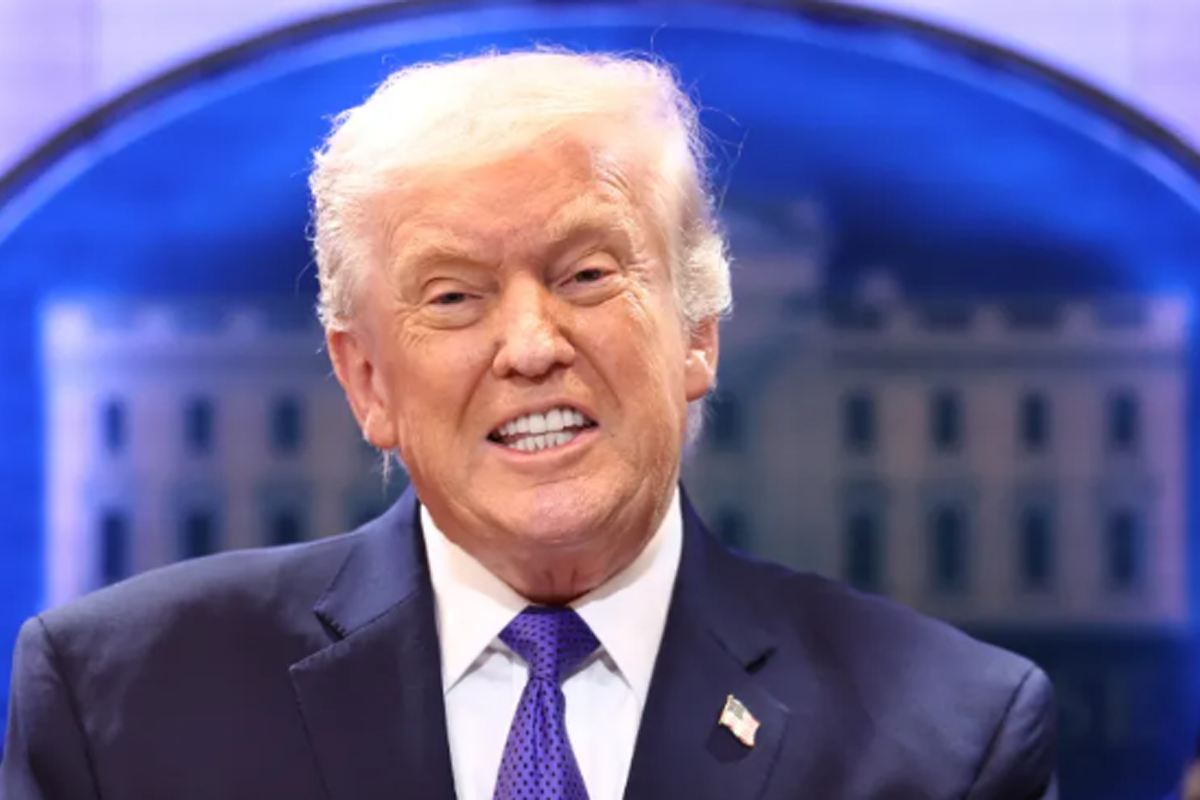
President Donald Trump said Friday that he will move forward with a new 10% global tariff, responding forcefully after a significant defeat at the hands of the Supreme Court.
Speaking at a White House press briefing, Trump criticized the Supreme Court ruling that invalidated the legal foundation for many of his reciprocal import duties — a central pillar of his trade policy. He described the decision as “deeply disappointing” and vowed to pursue other legal avenues to maintain and expand tariffs.
“I’m ashamed of certain members of the court, absolutely ashamed for not having the courage to do what’s right for our country,” Trump said, reacting to the Supreme Court’s 6–3 decision.
The Supreme Court ruling dismantled key elements of Trump’s tariff framework, arguing that the executive branch overstepped its authority. The decision represents a significant setback for Trump’s broader effort to use trade policy as a tool to boost U.S. manufacturing and reshape global trade relationships.
Despite the loss, Trump made clear that he does not intend to seek congressional approval for new tariffs.
“I don’t have to,” he said when asked why he would not work with Congress. “I have the right to do tariffs.”
Trump also criticized Justices Neil Gorsuch and Amy Coney Barrett — both of whom he nominated — after they sided with the majority in the Supreme Court decision. “I think their decision was terrible,” Trump said. “I think it’s an embarrassment.”
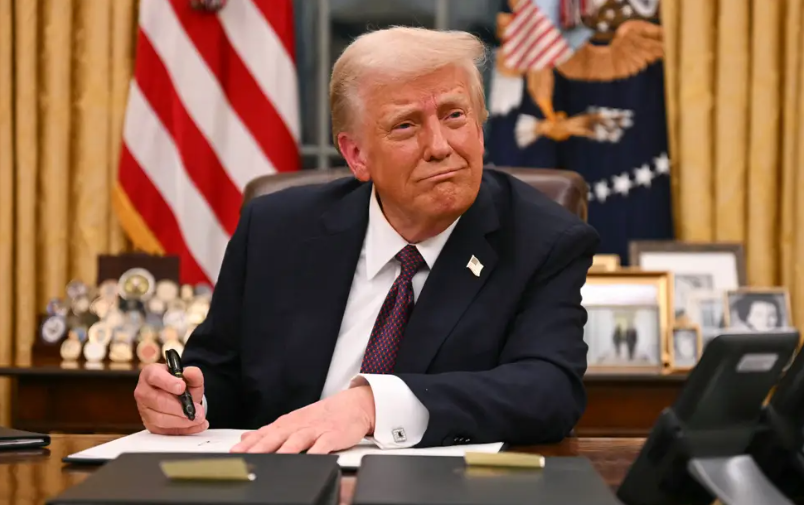
The president announced that the new 10% tariff will be implemented under Section 122 of the Trade Act of 1974. However, tariffs imposed under Section 122 are limited to 150 days unless Congress approves an extension.
When pressed about that time restriction and whether he would seek legislative backing, Trump maintained that his administration has broad authority to act.
“We have the right to do pretty much what we want to do,” he said.
In addition, Trump emphasized that tariffs enacted under Section 232 and Section 301 statutes will remain fully in effect despite the Supreme Court ruling.
The clash between Trump and the Supreme Court marks a pivotal moment in the ongoing debate over executive authority in trade policy, raising fresh questions about the limits of presidential power in imposing global tariffs without congressional approval.
About the Author