Skilled Trades are really good at providing people with a job and a sense of fulfillment. This is what is happening in 2026. It is a change from what people thought was best in the past. For a time people, in Canada thought that you had to go to university to be successful. They encouraged the kids to go to university and study things like liberal arts.. This often led to students having a lot of debt and not being able to find a good job. Skilled Trades are now considered the way to have a good career and be financially stable.
However, as the 2020s progress, the tide has turned. High-school graduates, career-changers, and even those with existing degrees are flocking to apprenticeships in plumbing, electrical work, HVAC, and precision machining. This shift is not merely a trend; it is a structural realignment of the Canadian workforce driven by skyrocketing wages, the immunity of physical labor to AI automation, and an urgent national mandate to solve the housing crisis.
The Economic Reality of Skilled Trades over University Degrees
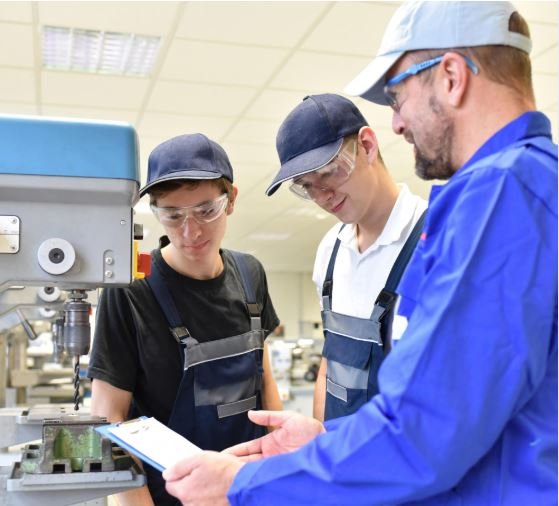
The financial calculation behind choosing Skilled Trades has become overwhelmingly favorable in 2026. While a typical four-year university degree in Canada can now cost between $40,000 and $80,000 when factoring in tuition, books, and living expenses, an apprenticeship is a “learn-while-you-earn” model. Students in the trades often begin their careers with zero debt and a steady paycheck from day one. By the time a university student is graduating and looking for an entry-level position, a journey person in the trades has already accumulated four years of earnings and significant equity.
Furthermore, the starting salaries in Skilled Trades are outpacing many white-collar professions. In major hubs like Toronto, Vancouver, and Calgary, a licensed electrician or elevator mechanic can easily command a six-figure salary early in their career. With the persistent shortage of qualified labor, overtime opportunities and “on-call” premiums have pushed the earning potential even higher. In 2026, it is no longer uncommon to see a specialized welder or heavy-equipment technician earning more than a junior lawyer or a mid-level marketing manager, all while avoiding the crushing weight of student loan interest.
How the Housing Crisis is Fueling Demand for Skilled Trades
Canada’s ambitious goal to build millions of new homes by 2030 has placed Skilled Trades at the very center of the national agenda. The Canada Mortgage and Housing Corporation (CMHC) continues to highlight a massive labor gap; quite simply, the country cannot build houses if there are no people to pour the concrete, wire the panels, or install the pipes. This desperate need for residential construction has led to unprecedented job security for those in the building trades.
This demand for Skilled Trades is not limited to new builds. The aging infrastructure of Canada’s older cities and the massive push for “green retrofitting”—installing heat pumps and energy-efficient systems—mean that maintenance and renovation work are also at an all-time high. For a young Canadian in 2026, entering the trades means entering an industry with a multi-decade backlog of work. While the tech sector may experience “hiring freezes” or “layoff cycles,” the construction and maintenance sectors are operating at a permanent deficit of workers, ensuring that a skilled person will never be without a job.

The Technological Evolution of Modern Skilled Trades
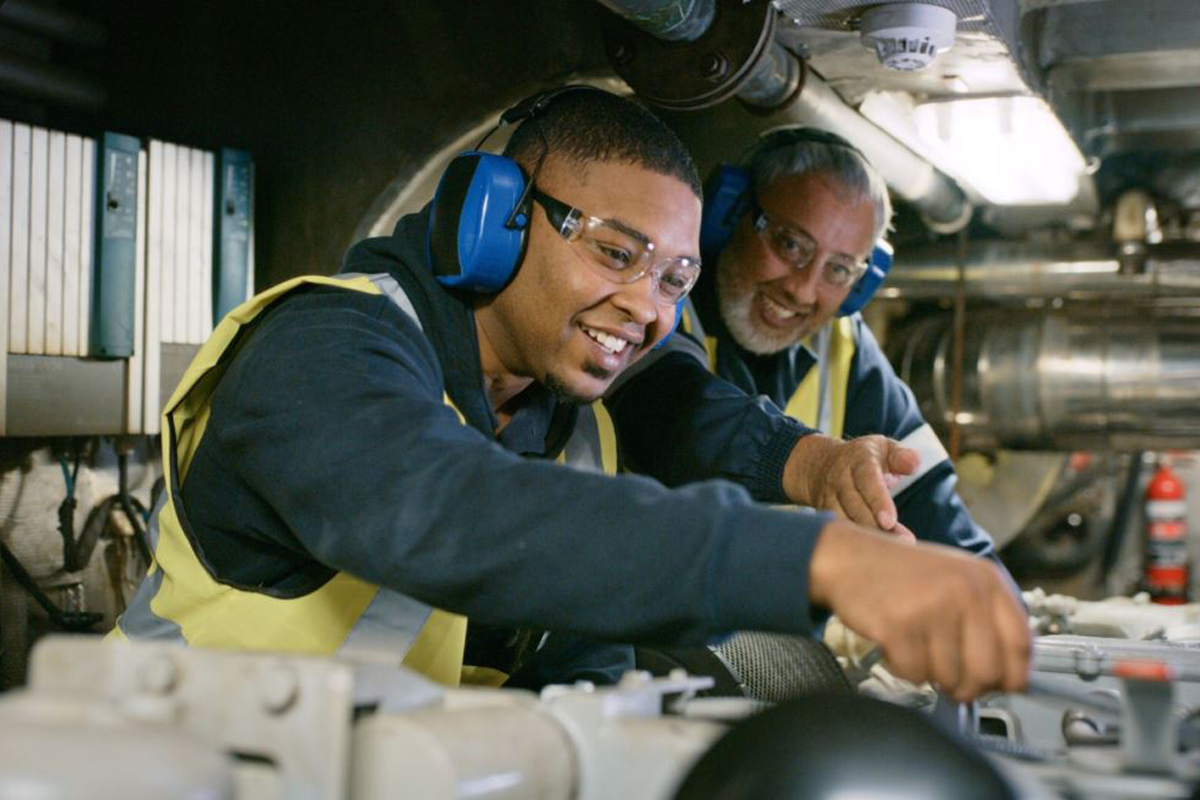
One of the primary reasons for the surge in interest is that Skilled Trades are no longer perceived as “low-tech” or “dirty” jobs. In 2026, the integration of technology has transformed the job site. Plumbers now use high-resolution thermal imaging and robotic pipe-crawlers; electricians are managing complex smart-grid integrations and EV charging networks; and carpenters are utilizing Augmented Reality (AR) headsets to overlay digital blueprints onto physical spaces.
This high-tech shift has made Skilled Trades more appealing to a generation raised on digital devices. The modern tradesperson is often a hybrid worker—someone who possesses the manual dexterity to perform physical tasks and the technical literacy to program CNC machines or manage building automation systems via a tablet. This evolution has successfully rebranded the trades as a “sophisticated” career path, attracting tech-savvy individuals who enjoy problem-solving in a tangible, three-dimensional environment rather than a virtual one.
Job Security and AI Resistance in Skilled Trades
As Generative AI continues to reshape the white-collar landscape in 2026, the inherent “AI-resistance” of Skilled Trades has become a major selling point. While algorithms can now write code, draft legal documents, and create marketing campaigns, they cannot fix a burst pipe in a basement or install a complex electrical panel in a custom-built home. The physical unpredictability and spatial reasoning required in the trades represent a “frontier” that AI and robotics have yet to conquer in a cost-effective way.
For many Canadians, the fear of “technological unemployment” is driving a return to the physical world. Skilled Trades offer a level of career “sovereignty” that is increasingly rare in the digital economy. A person with a Red Seal certification carries their value in their hands and their head; they are not dependent on a specific software platform or a corporate hierarchy. In a 2026 job market that feels increasingly precarious, the “tangible value” of a tradesperson provides a psychological and financial safety net that a university degree in a rapidly automating field simply cannot provide.
Government Support and Grants for Skilled Trades Apprentices
The Canadian government has recognized that the Skilled Trades shortage is a national security risk for the economy, leading to a massive influx of grants, loans, and tax incentives. In 2026, the “Canada Apprentice Loan” and various provincial “Achievement Awards” provide thousands of dollars in interest-free funding to help apprentices buy tools, pay for technical training, and cover living costs during their classroom blocks.
These incentives have made Skilled Trades a path of least resistance for many. Additionally, the federal government has streamlined the “Red Seal” program, making it easier for tradespeople to move between provinces, ensuring that labor can follow the demand. For international students and new immigrants, specialized pathways have been created to fast-track those with prior experience in the trades, recognizing that a skilled mason or plumber is often more valuable to the current Canadian economy than another MBA graduate. This top-down support has validated the trades as a respected and subsidized career choice.
The Shift in Societal Perception Toward Skilled Trades
Perhaps the most significant change in 2026 is the cultural “re-branding” of Skilled Trades. The stigma that once suggested trades were for students who “couldn’t cut it” in university has effectively evaporated. Today, the trades are viewed as a “lifestyle” choice—one that prioritizes autonomy, physical activity, and entrepreneurship. Social media influencers within the “Blue-Collar” space have played a massive role, showcasing the pride of craftsmanship and the luxury lifestyle that a high-earning tradesperson can afford.
Parents, who were once the primary drivers of the “degree-at-all-costs” mentality, are now encouraging their children to look at Skilled Trades. They see the burnout and debt affecting the “laptop class” and compare it to the high-earning, active, and stable lives of their neighbors in the trades. In 2026, being a “Master Electrician” or a “Site Supervisor” carries the same social weight as being an “Accountant” or an “Engineer.” This cultural shift has opened the door for a more diverse range of people, including a record number of women and urban youth, to consider the trades as a primary career option.
Physical Health and Mental Wellness in Skilled Trades
The 2026 workforce is deeply concerned with mental health, and Skilled Trades offer a compelling alternative to the “sedentary burnout” of office life. Modern tradespeople often cite the “Deep Work” nature of their jobs—the ability to focus on a single, tangible task and see the immediate results of their labor—as a major contributor to their job satisfaction. Unlike the abstract goals of corporate roles, the trades provide a “Dopamine Loop” of completion: you wire a house, and the lights turn on; you build a deck, and a family uses it.
Furthermore, the physical nature of Skilled Trades aligns with the growing wellness trends of the mid-2020s. While office workers pay for gym memberships to counteract eight hours of sitting, tradespeople are active throughout the day. This is not to say the work isn’t demanding, but with 2026’s advancements in ergonomics and wearable safety tech, the physical toll has been mitigated. Many Canadians find that the “tired-but-satisfied” feeling at the end of a day in the trades is far more sustainable than the “mental exhaustion” associated with staring at screens for 50 hours a week.
Entrepreneurship and the Scaling Potential of Skilled Trades
One of the most overlooked advantages of Skilled Trades is the low barrier to business ownership. In 2026, the “Side Hustle” culture has evolved into a full-blown “Small Business Boom.” A tradesperson with a few years of experience, a van, and a set of tools is essentially a turnkey business. The demand is so high that many independent contractors in the trades find themselves with more work than they can handle, allowing them to cherry-pick the most profitable jobs.
This ability to scale from a “one-person shop” to a “multi-crew company” is a path to wealth that is much harder to achieve in professional services. In the Skilled Trades, your income is not capped by a corporate salary band. If you are efficient, reputable, and business-savvy, you can build a local empire. As we see in 2026, the wealthiest people in many Canadian suburbs aren’t the corporate executives; they are the owners of the local plumbing, roofing, and HVAC companies who have successfully scaled their expertise into a thriving enterprise.
Conclusion: The Balanced Future of the Canadian Workforce
The surge in Skilled Trades over university degrees in 2026 is a sign of a maturing economy that is finally valuing essential labor correctly. For too long, Canada operated on a “credential hierarchy” that didn’t match the needs of its people or its infrastructure. The current correction is healthy, creating a more resilient middle class and ensuring that the country has the talent necessary to face the challenges of the late 2020s—from housing and energy to infrastructure and AI integration.
The choice is no longer about which path is “better,” but which path is more “authentic” to the individual’s goals. For those who crave financial independence, technological engagement, and tangible impact, the Skilled Trades have proven to be the most reliable vehicle for the Canadian Dream. As the cranes continue to dot the skylines and the smart grids continue to expand, it is the hands of the skilled tradespeople that will keep the lights on and the future bright for Canada.
About the Author